13 creative AI business ideas from trends most people are missing
Published October 31, 2026 (America/New_York).
Ideas, not verified income stories. Each idea is our own speculation built on linked sources, and none is a promise of income. One link marked affiliate may earn us a commission. More about these ideas.
The ideas
- Niche bot builder: custom AI agents for one industry
- Gary Vee-style volume content studio for local businesses
- The "anti-slop" editor: making AI content monetizable
- AI search visibility checkups for local businesses
- Missed-call fixer for 10 to 49 person businesses
- Bot-to-bot readiness: making businesses easy for AI agents to book
- EU AI-label kits for creators and agencies
- Colorado AI hiring-tool paperwork for small employers
- Agent bill auditor: cutting AI token costs and "agent sprawl"
- MCP connector shop: plugging niche software into AI assistants
- ChatGPT shopping-feed setup for small merchants
- The retiring owner's "business brain" book
- TikTok affiliate recruiter for small brands
1. Niche bot builder: custom AI agents for one industry (speculative)
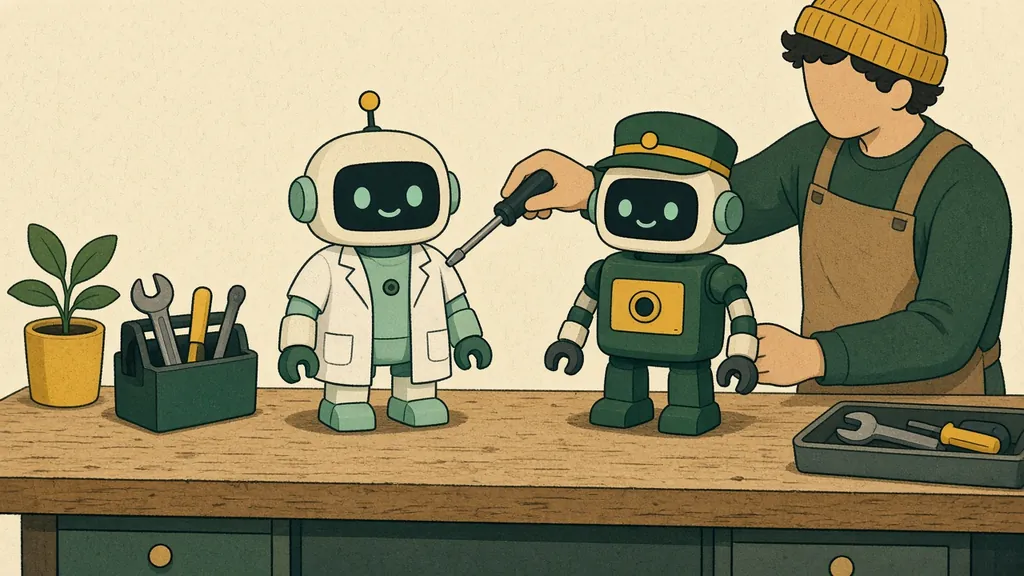
What the source says: Gartner predicts that by 2028, 80% of tangible ROI from agentic AI will come from specialized, domain-specific agents. Its 2026 CIO survey found only 17% of organizations had deployed AI agents, while more than 60% expect to within two years.
Sources: Gartner: most agentic AI ROI by 2028 expected from specialized, domain-specific agents · Gartner 2026 Hype Cycle: 17% of organizations have deployed agents, 60%+ expect to within two years
Our idea (speculation): Agent platforms (Grok Bot, ChatGPT GPTs and apps, Claude Projects, Zapier Agents) make it easy to build a bot, but most owners do not know what to build. Pick one niche you know (dental offices, wedding venues, property managers) and sell the same tuned bot again and again: their FAQs, their tone, their booking rules.
Who pays: Small business owners in one niche, paying a setup fee plus a monthly upkeep fee.
Start it this weekend: Pick a niche. Build one demo bot in Zapier Agents, a Custom GPT, or a Grok Bot using a real (public) business website as the knowledge source. Record a 2-minute Loom demo. Send it to 20 businesses in that niche with a personal note.
What could go wrong: Platforms add built-in bot builders that make yours look unnecessary. Bots that give wrong answers to customers damage trust fast. Keep a human handoff.
Could earn: Soon (weeks), if you already know the niche
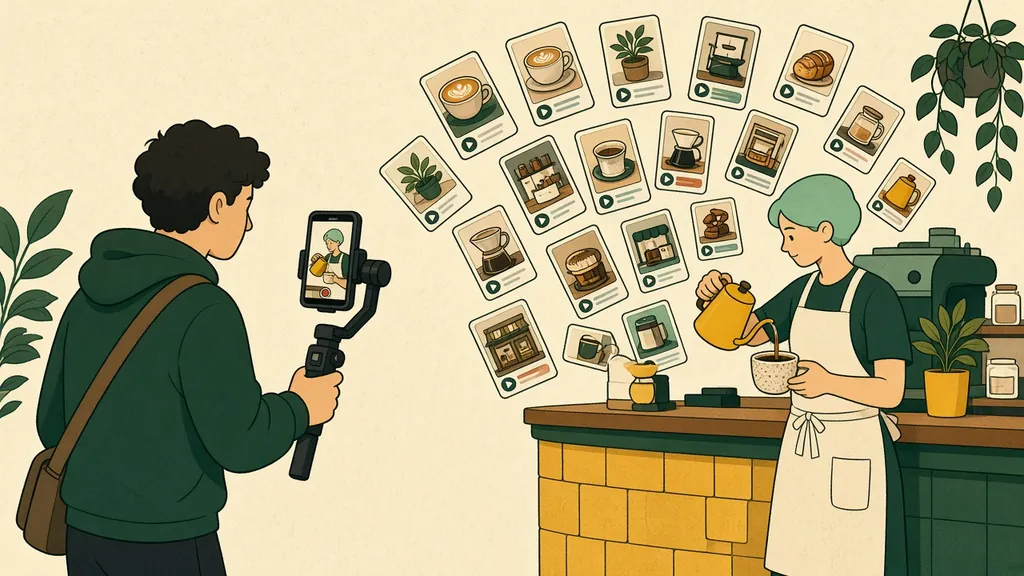
2. Gary Vee-style volume content studio for local businesses (speculative)
What the source says: Business Bearings reports Gary Vaynerchuk said at an Entrepreneur event in October 2026 that his businesses put out about 900 social posts a day, and quotes him: "I'm aiming for 100,000 pieces of content a day by next year." (Note: that is per day, not per month, as reported.) In a May 2026 Forbes interview he said his personal brand posted 500 pieces a month and that volume "is going to be the cost of entry."
Sources: Business Bearings on Vaynerchuk at Entrepreneur's event: 900 posts a day, aiming for 100,000 a day · Forbes interview: "Gary Vee" brand posted 500 pieces a month; volume "going to be the cost of entry" · Vaynerchuk on LinkedIn: close to 1,000 pieces a day across about 10 platforms and 100+ handles
Our idea (speculation): If the most famous social marketer says volume is the price of entry, a local bakery posting three times a week is invisible. A studio that turns one hour of filming a month into 100+ short clips, captions and photo posts per client is the Gary Vee playbook at small-business prices.
Who pays: Restaurants, gyms, salons, realtors, contractors: owners who know they should post and never do.
Start it this weekend: Film one local business for an hour (free, as a test). Cut it into 30 clips with CapCut or Opus Clip, write captions with ChatGPT or Claude, and schedule them with Buffer or Metricool. Show the owner the calendar and ask for a paid month.
What could go wrong: Volume without quality is spam. Critics such as Chris Aarons call this "AI slop at an immense scale" (his LinkedIn post). Platforms may throttle repetitive content. Results vary by niche.
Could earn: Soon (weeks)
3. The "anti-slop" editor: making AI content monetizable (speculative)
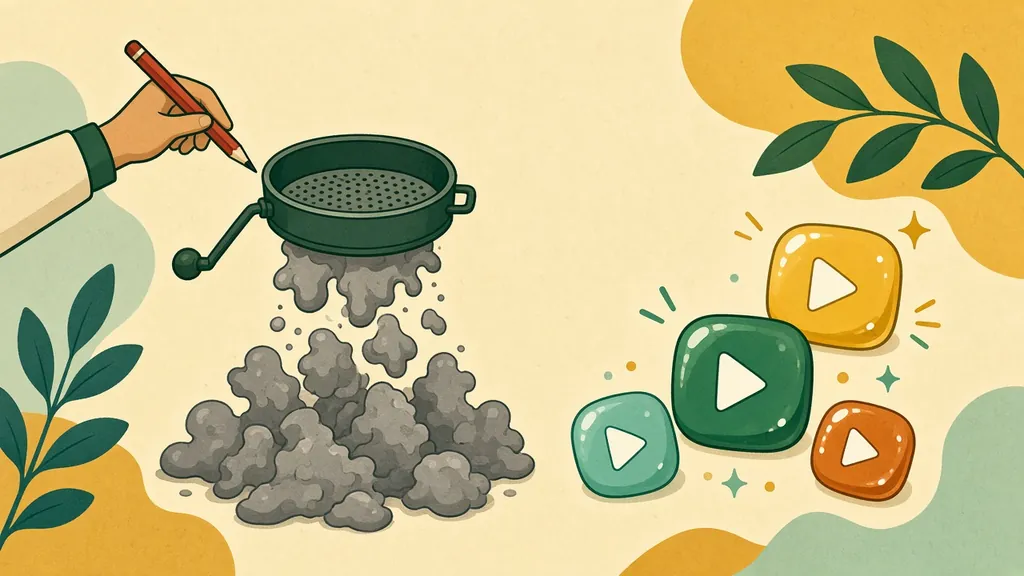
What the source says: YouTube renamed its "repetitious content" monetization rule to "inauthentic content" in July 2025. Mass-produced or repetitive content is not eligible to earn; AI use itself is not banned.
Sources: YouTube channel monetization policies ("inauthentic content") · TechCrunch: YouTube clarifies policies around AI slop (July 2026)
Our idea (speculation): Connect idea 2 to this: as volume explodes, the scarce skill is making AI content not look mass-produced. Sell a review-and-rewrite service for AI-heavy channels and agencies: add original commentary, real footage, varied formats, and a policy check before upload.
Who pays: Faceless YouTube channels, AI content agencies, and brands who got demonetized or fear it.
Start it this weekend: Write a one-page "inauthentic content checklist" straight from YouTube's policy page. Offer three free channel audits in Reddit or Discord creator communities. Turn the feedback into a paid per-video review service.
What could go wrong: You cannot guarantee monetization; only YouTube decides. Never promise reinstatement.
Could earn: Soon to medium (1 to 3 months)
4. AI search visibility checkups for local businesses (speculative)
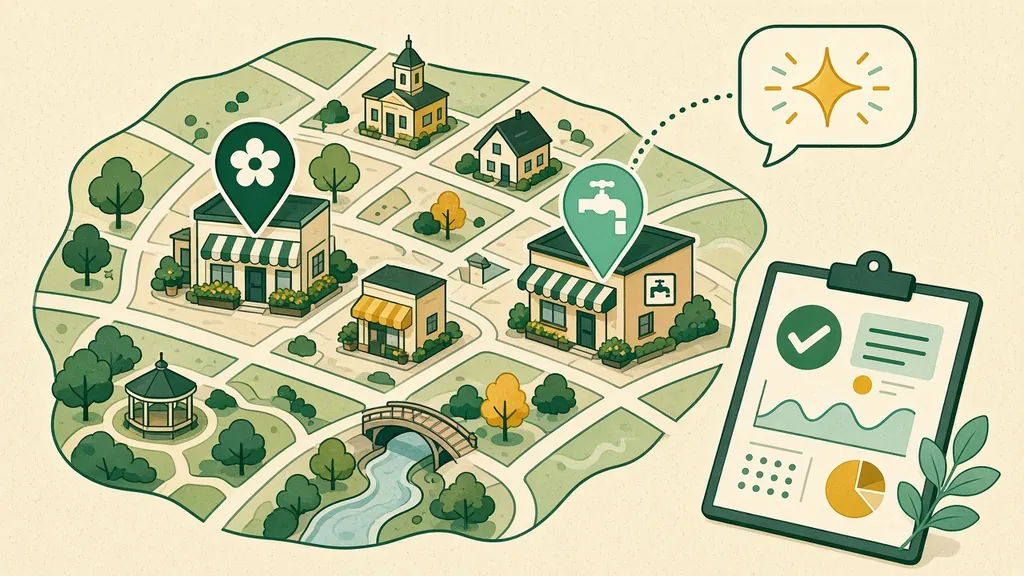
What the source says: Conductor found AI referral traffic was about 1.08% of website visits across 10 industries, growing around 1% a month on average. Goodie found ChatGPT's share of measured B2B AI referrals fell from 89.1% to 62.6% as Claude, Gemini and Perplexity gained.
Sources: Conductor 2026 AEO/GEO Benchmarks: AI referrals about 1.08% of traffic, growing about 1% month over month · Goodie: ChatGPT's share of B2B AI referrals fell from 89% to 63% as Claude, Gemini, Perplexity grew
Our idea (speculation): Big brands hire agencies for "GEO." Local businesses have never asked "what does ChatGPT say when someone asks for the best plumber in my town?" A fixed-price checkup that asks four AI assistants the same 20 questions, screenshots the answers, and fixes the website, Google Business Profile and review gaps is easy to explain and to show.
Who pays: Local service businesses, clinics, law firms, and the marketing agencies that serve them (white label).
Start it this weekend: Pick 5 businesses in your town. Ask ChatGPT, Claude, Gemini and Perplexity "best [service] in [town]." Put the results in a Google Doc with three fixes each. Email it free, then offer a paid monthly re-check.
What could go wrong: AI traffic is still a small share of visits, and AI answers change constantly, so you cannot promise rankings. Keep claims to "here is what AI says about you today."
Could earn: Soon (weeks)
5. Missed-call fixer for 10 to 49 person businesses (speculative)
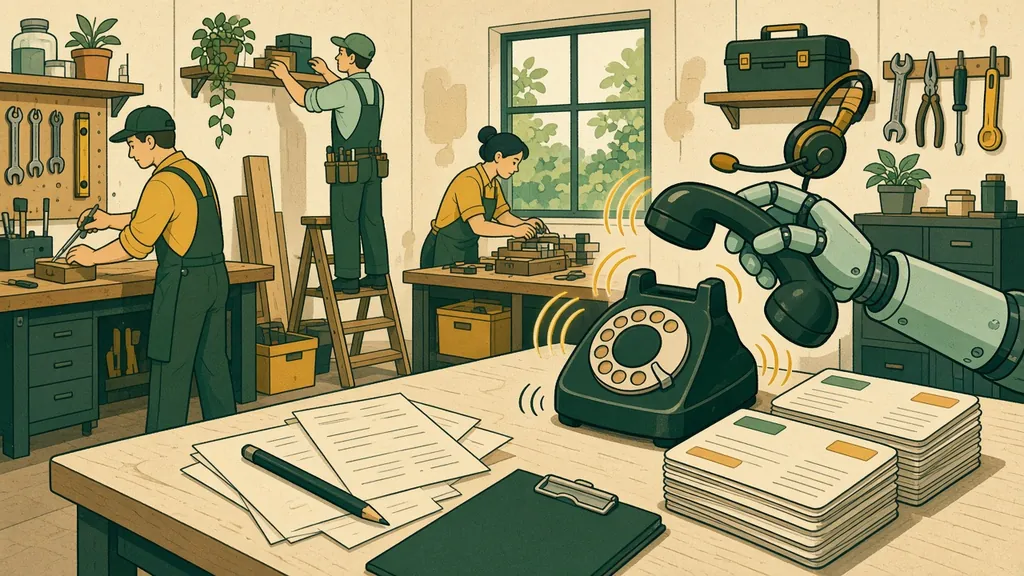
What the source says: In Upfirst's August 2026 surveys, 58% of businesses missed at least one potential-customer call in a typical week, rising to 91% at 10 to 49 employees. AI receptionist use was 2.4% among solo operators and 41.5% at 50+ employees. 80% of consumers want an AI to say up front that it is an AI. (Upfirst sells AI receptionists, so weigh that.)
Sources: Upfirst: State of Voice AI for Small Businesses 2026 (surveys, August 2026)
Our idea (speculation): The gap is the middle: businesses big enough to drown in calls, too small for a front desk. An installer who sets up an AI receptionist, connects it to the booking calendar, writes the script, and tunes it monthly is a service business, not software.
Who pays: HVAC, plumbing, dental, vet and auto repair shops with 10 to 49 staff.
Start it this weekend: Try an AI receptionist tool (for example Upfirst, Retell AI, Vapi or Bland AI) on your own number. Build a demo for one trade. Call 10 local shops after hours: if voicemail answers, that is your pitch. A custom voice can be made with ElevenLabs.
Try ElevenLabs for custom voicesaffiliate
What could go wrong: A bad bot loses customers. Older callers may reject it. Some states require consent to record calls. Always disclose it is an AI.
Could earn: Soon (weeks)
6. Bot-to-bot readiness: making businesses easy for AI agents to book (speculative)

What the source says: NextPhone reports AI voice agents placed 4.0 of every 10,000 calls it handled in September 2026, up from 0.7 per 10,000 in late 2025. OpenAI and Stripe publish an open Agentic Commerce Protocol for agent-driven checkout.
Sources: NextPhone 2026 AI Receptionist Call Report: AI voice agents made 4.0 of every 10,000 calls in Sept 2026, up from 0.7 · OpenAI: Agentic Checkout spec
Our idea (speculation): Speculation, a "later" business: when people tell their AI assistant "book me a haircut Thursday," the businesses whose prices, hours and booking links are clean and machine-readable win. A service that makes a small business "agent-ready" (structured data, clear online booking, an AI receptionist that handles AI callers) could become what "mobile-friendly websites" were in 2012.
Who pays: Appointment-based businesses: salons, clinics, restaurants, repair shops.
Start it this weekend: Learn schema.org LocalBusiness markup and test it with Google's Rich Results Test. Ask Grok Bot or ChatGPT agent mode to book with 5 local businesses and note where it fails. That failure list is your sales sheet.
What could go wrong: Very early. 4 in 10,000 calls is tiny. You might be years ahead of demand.
Could earn: Later (1 to 3 years)
7. EU AI-label kits for creators and agencies (speculative)

What the source says: The European Commission says Article 50 transparency obligations apply from 2 August 2026: people must be told when they interact with AI, and deepfakes and certain AI-generated text on public-interest matters must be labeled by deployers, with exceptions such as human editorial review.
Sources: European Commission FAQ: transparency obligations under Article 50 of the AI Act · Commission guidelines on Article 50 transparency
Our idea (speculation): Small agencies and creators with EU audiences will ask "what exactly do I label, and how?" A plain-English kit (label templates, a decision flowchart, disclosure lines for chatbots) sold as a digital product, plus a done-for-you review, is the boring business that grows with every new rule.
Who pays: Agencies, creators and online shops serving EU customers.
Start it this weekend: Read the Commission FAQ and guidelines in full. Make a Notion or Canva template pack. Sell it on Gumroad or Lemon Squeezy, and have a lawyer review it before you call it compliance help.
What could go wrong: This is legal territory. You are not a lawyer unless you are one: sell templates and education, not legal advice. Rules and guidance may change.
Could earn: Medium (1 to 3 months)
8. Colorado AI hiring-tool paperwork for small employers (speculative)
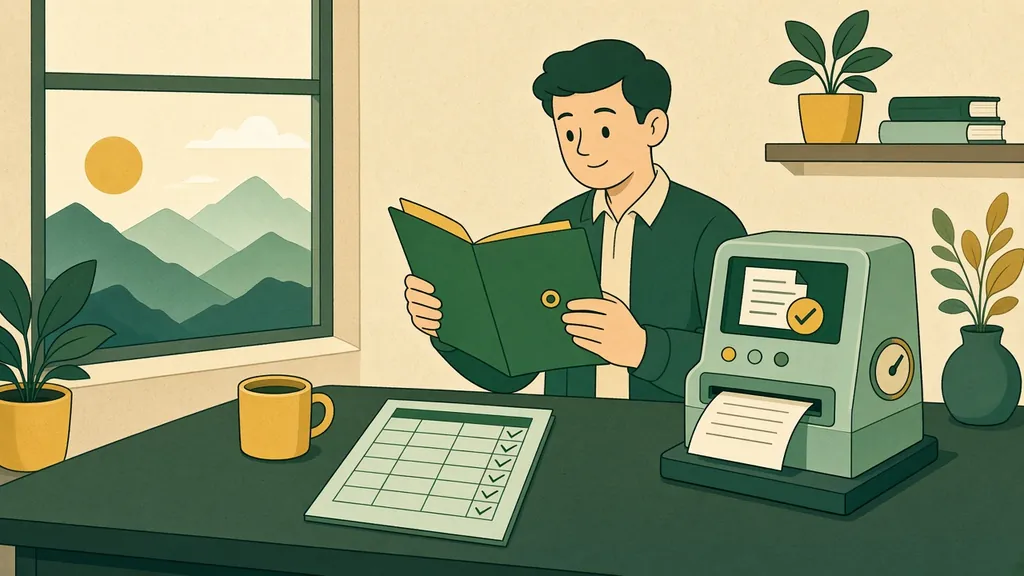
What the source says: Colorado's SB26-189 replaces its earlier AI Act with an automated decision-making technology law. A May 2026 law-firm summary says the rewrite no longer has the small-business exemption for companies under 50 full-time employees, and the bill requires records to be kept at least 3 years. Check the bill page for the current effective date.
Sources: Colorado General Assembly: SB26-189 Automated Decision-Making Technology · Consumer Financial Services Law Monitor: "Colorado Rewrites Its AI Law" (May 2026)
Our idea (speculation): Small employers use AI résumé screeners without knowing they may now have duties. An inventory service ("which of your tools make decisions about people?") plus notice templates and a records folder, sold through HR consultants and payroll firms, rides the next wave of state AI laws.
Who pays: Small employers, landlords and lenders with Colorado applicants; HR consultants who resell it.
Start it this weekend: Read the bill text. Build a spreadsheet "AI tool inventory" template and a one-page explainer. Partner with one employment lawyer who does the legal part while you do the inventory.
What could go wrong: Laws get amended, delayed or preempted. Do not give legal advice yourself.
Could earn: Medium to later (3 to 12 months)
9. Agent bill auditor: cutting AI token costs and "agent sprawl" (speculative)
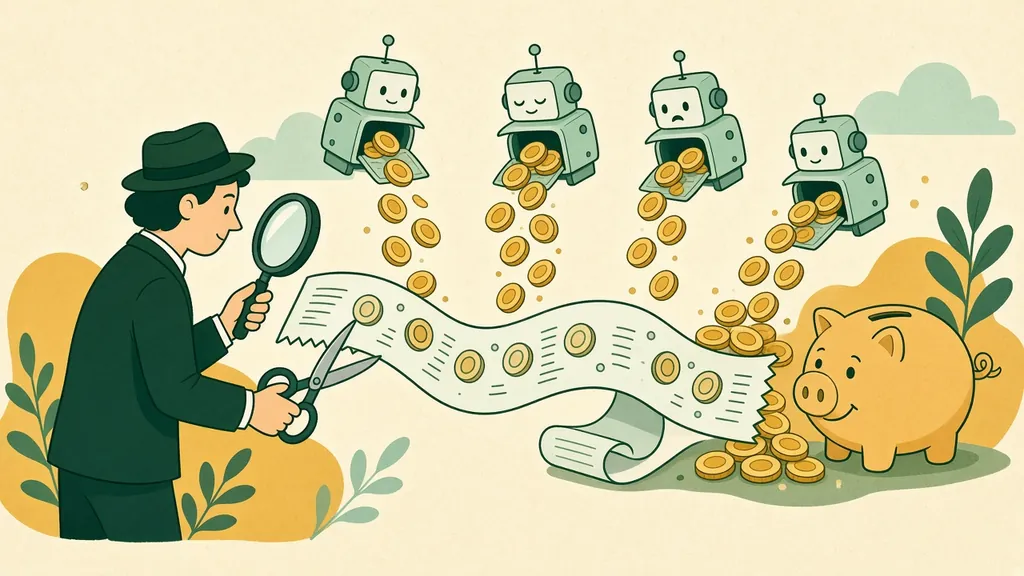
What the source says: Gartner lists "agent sprawl" and "unmanaged AI token costs" among common mistakes limiting agentic AI ROI, and its 2026 Hype Cycle includes "FinOps for agentic AI."
Sources: Gartner: six agentic AI mistakes, including agent sprawl and unmanaged token costs · Gartner 2026 Hype Cycle: FinOps for agentic AI appears as a profile
Our idea (speculation): Every company that let staff spin up bots will get a surprise invoice. A small consultancy that lists every agent and API key, finds duplicates, switches tasks to cheaper models, and sets spending caps pays for itself in visible savings.
Who pays: Startups and agencies with growing OpenAI, Anthropic or cloud bills.
Start it this weekend: Learn the usage dashboards of OpenAI, Anthropic and Google AI Studio and an LLM gateway such as OpenRouter or LiteLLM. Offer a free 30-minute bill review on LinkedIn to 10 founders. Charge a share of savings or a flat fee.
What could go wrong: Bigger companies will buy software for this. Your edge is serving the small ones who will not.
Could earn: Medium (1 to 3 months)
10. MCP connector shop: plugging niche software into AI assistants (speculative)
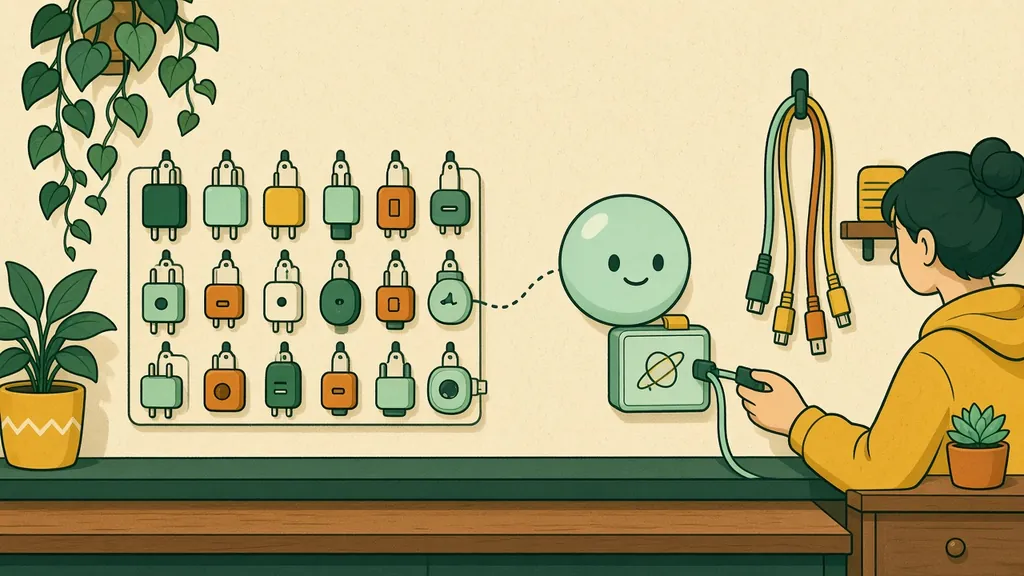
What the source says: An independent tracker counts about 53,410 servers listed in the official Model Context Protocol registry as of October 31, 2026, up 15,606 in 30 days. MCP is the standard many AI assistants use to connect to other software.
Our idea (speculation): The popular apps already have connectors. The long tail does not: the scheduling software every dog groomer uses, the county permit database, the niche CRM for funeral homes. Building and maintaining those connectors, then selling setup to that industry, combines idea 1 with plumbing nobody else wants to do.
Who pays: Niche software vendors who want to be in AI assistants, and their customers.
Start it this weekend: Follow the official MCP quickstart at modelcontextprotocol.io and build one server with Claude Code or Cursor for an API you know. Publish it free on GitHub, then email the vendor and its power users.
What could go wrong: Vendors may build their own connector. Security matters a lot: connectors can touch customer data.
Could earn: Medium (1 to 6 months), needs some coding
11. ChatGPT shopping-feed setup for small merchants (speculative)

What the source says: OpenAI's merchant page invites merchants to share product feeds for discovery in ChatGPT. CNBC reported in March 2026 that OpenAI revamped ChatGPT shopping after Instant Checkout.
Sources: OpenAI: Power product discovery in ChatGPT (merchants page) · CNBC: OpenAI revamps shopping in ChatGPT after Instant Checkout (March 2026)
Our idea (speculation): Most small shops have messy product data: no sizes, vague titles, no reviews. AI shopping assistants reward clean, complete feeds. A "product data cleanup" service for independent stores (not just Shopify) is unglamorous and needed.
Who pays: Independent online stores, especially outside Shopify and Etsy.
Start it this weekend: Export a store's product CSV, use ChatGPT or Claude to rewrite titles and fill missing attributes, check against Google Merchant Center's product data spec, and show the before and after.
What could go wrong: OpenAI's shopping rules have already changed once; they may change again. Never invent product details.
Could earn: Soon to medium
12. The retiring owner's "business brain" book (speculative)

What the source says: McKinsey and Forbes report that millions of U.S. small businesses owned by baby boomers are expected to change hands, with Forbes citing about $5 trillion in value.
Sources: McKinsey: The Great Ownership Transfer · Forbes: $5 trillion of baby boomer businesses set to be transferred (Feb 2026)
Our idea (speculation): The most valuable part of an old business is in the owner's head: which supplier to call, how to quote a job. AI interview tools make it cheap to record 10 hours of conversation and turn it into a searchable operations manual (and even an internal bot the buyer can ask). That makes the business easier to sell.
Who pays: Retiring owners, business brokers, and buyers (search funds) who want less risk.
Start it this weekend: Interview one owner (a relative is fine) with Otter.ai or a phone recorder. Turn transcripts into an SOP manual with Claude or ChatGPT and a Notion workspace. Pitch the sample to 5 business brokers.
What could go wrong: Owners are private and slow to decide. Confidential data needs careful handling.
Could earn: Medium (2 to 6 months)
13. TikTok affiliate recruiter for small brands (speculative)

What the source says: In the same October 2026 talk, Vaynerchuk's second recommendation, as reported, was to recruit TikTok affiliates who earn a percentage of the sales their content drives.
Sources: Business Bearings: Vaynerchuk's second tactic, recruit TikTok affiliates paid on sales
Our idea (speculation): Brands hear "get affiliates" but do not have time to find, message and manage hundreds of creators. Use AI to shortlist creators, write personal outreach, and track who posted. Get paid a retainer or a cut of attributed sales.
Who pays: Small consumer brands already selling on TikTok Shop.
Start it this weekend: Read our TikTok Shop affiliate guide to learn the creator side. Pick one brand, build a sheet of 50 fitting creators, draft messages with ChatGPT, and offer a 30-day pilot.
What could go wrong: TikTok's rules and its future in some markets can change. Mass messaging can get accounts flagged; keep outreach personal.
Could earn: Soon (weeks)
The pattern behind all 13
Our take: each idea sits where a new capability (cheap agents, cheap content, cheap voices) meets a group that is late to adopt it. The U.S. Census Bureau's business survey, as summarized in this report, found under 20% of firms with four or fewer employees reported using AI. The gap between what AI can do and what small businesses actually use is where service businesses live.
Want proof instead of ideas? Read our verified stories of people who actually got paid with AI, and how we verify them.