5 new AI business ideas for park explorers, dance studios, wedding guests, retired makers and campgrounds
Daily ideas for November 14, 2026 (America/New_York). Part of our daily series that started with 13 creative AI business ideas from trends. See all days on the Ideas hub.
Today's five start with small, real headaches: a kid who can't find "that bird" in a 400-page guide, a studio owner proofing 80 names, a bride answering shuttle texts, a woodworker who won't touch a computer and a campground office that hears the same questions all day. Ideas 1 and 2 are fun for beginners and cost almost nothing to try. These are speculative ideas, not promises of income; one affiliate link is disclosed below. More about these ideas.
Today's ideas
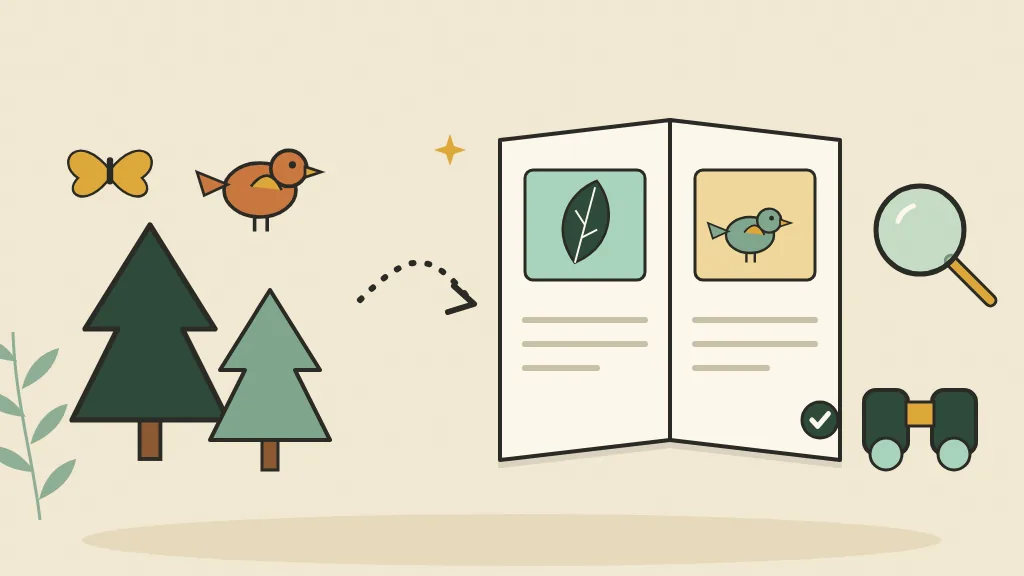
- The birds, bugs and trees of one park: pocket field guides for kids, built from that park's own iNaturalist sightings (a fun beginner project)
- Recital programs with a spotlight line for every performer: printed programs and keepsake booklets for small dance, music and martial-arts studios
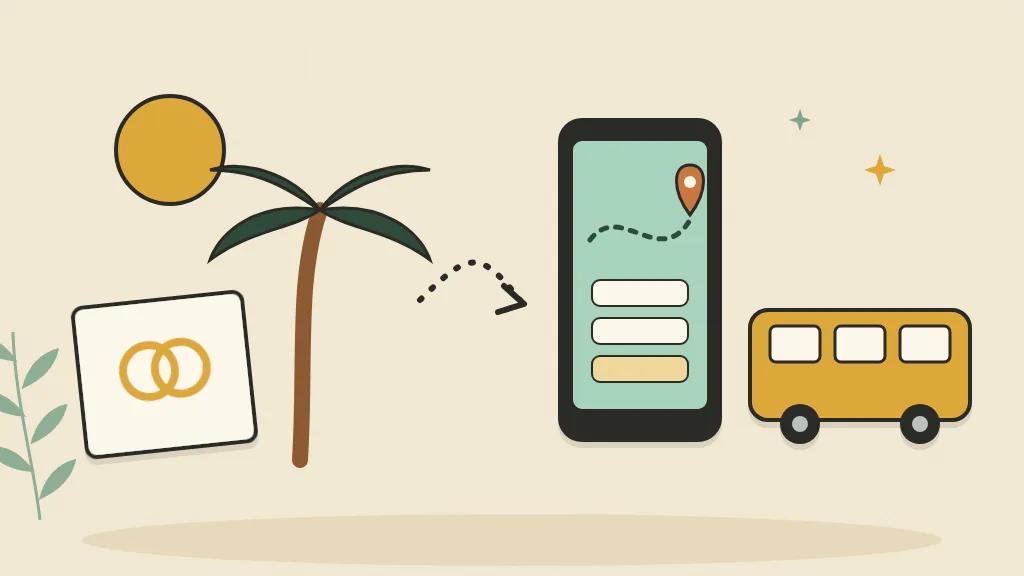
- The wedding-weekend guest guide: one mobile page and a printed welcome card that answer every "what time is the shuttle?" text before it's sent
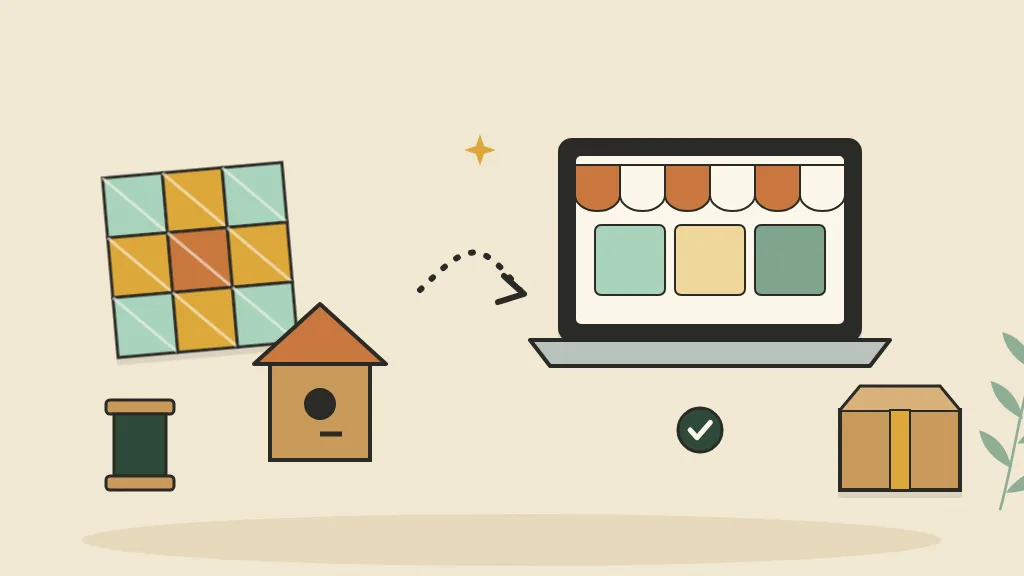
- Shop-in-a-box for retired makers: you set up and run the online shop for a quilter or woodworker who makes beautiful things and hates the tech part
- The campground welcome guide: a "first night" sheet, a what's-nearby map and a kids' scavenger card for small independent campgrounds and RV parks
1. The birds, bugs and trees of one park: pocket field guides for kids, built from that park's own iNaturalist sightings (a fun beginner project) (speculative)
Why now: iNaturalist describes itself as a 501(c)(3) nonprofit where a community of millions of naturalists share observations of plants and animals, building "a real-time atlas of life on Earth." Its help center notes that media posted there belong to the people who upload them and are released by default under a Creative Commons Attribution-NonCommercial license, while some users keep all rights reserved. So the list of what's actually been seen in your local park is public, but most of the photos are not yours to sell.
Sources: iNaturalist: About · iNaturalist Help: Can I use the photos and sounds posted on iNaturalist?
Our idea (speculation): Every park has a nature-center shelf of field guides to the whole state, and a kid can't find the bird in front of them among 400 others. You make a small folded guide to one park: the 20 to 30 birds, trees, flowers, bugs and critters people actually see there, sorted by season and by where to look ("by the pond," "on the boardwalk"). You pull the "most observed" list from iNaturalist's Explore page filtered to that park, use AI to draft short, kid-friendly descriptions and a "can you find it?" checklist, then check every fact against a trusted source. Illustrations are your own photos or simple drawings. Add a tear-off scavenger strip and a "nature detective" badge on the back. Sell printed packs to the people who run or love the park, or a printable version to families.
Who pays: Nature centers, park "friends of" groups and visitor centers that want a souvenir or giveaway; homeschool co-ops and scout troops planning a nature day; HOAs and planned communities with trails and ponds; campgrounds and nature preschools; local libraries running summer reading programs.
Start it this weekend: Saturday: pick a park you know. On iNaturalist's Explore page, filter to that place and sort species by number of observations; write down the top 25. Ask free ChatGPT or Gemini for a two-sentence, 8-year-old-friendly description of each, then check every one against a source like Cornell Lab's free All About Birds site or a state wildlife agency page. Walk the park and take your own photos of what you can. Sunday: lay out a folded tri-fold in Canva's free plan, print five on your home printer and try it with a couple of kids. Then show it to the park's friends group or a homeschool group. Tools: iNaturalist (free), free ChatGPT or Gemini, Canva free, a phone camera, $0 to start plus printing.
What could go wrong: AI gets wildlife facts wrong and confuses look-alike species, so every line is checked against an expert source. Don't copy iNaturalist users' photos into something you sell; the default license is non-commercial, and some photos are all rights reserved, so use your own photos or drawings. Never add "is it edible?" information about plants or mushrooms, and include a "look, don't touch" note for snakes, stinging insects and plants like poison ivy. Don't point people to nests or sensitive species' exact spots. Ask the park before selling on-site or using its name on the cover.
Could earn: Soon
2. Recital programs with a spotlight line for every performer: printed programs and keepsake booklets for small dance, music and martial-arts studios (speculative)
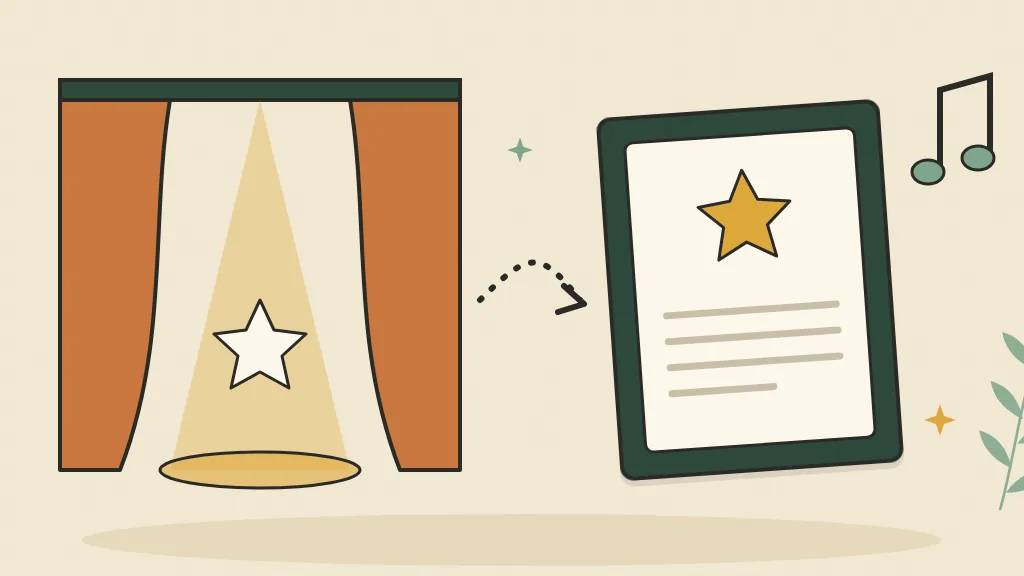
Our idea (speculation): A studio owner the week before a recital is juggling costumes, the venue, the music order and 80 nervous kids, and the program is a last-minute photocopy with names spelled wrong. You take the program off their plate. Parents fill in a short form (performer's name as they want it printed, class, years at the studio, and one or two fun answers like "favorite move" or "what I want to be"). AI turns those answers into a warm one-line spotlight per performer and drafts the running order, thank-yous and teacher bios from the owner's notes. You design it, proof every name with the studio, and deliver a print-ready program plus a digital keepsake booklet families can save. Optional extras the studio can sell to cover the cost: "break a leg" shout-out boxes from families and small ads from local businesses.
Who pays: Owners of small dance, piano, voice, guitar, theater and martial-arts studios (belt-test ceremonies count too); homeschool co-ops and church youth groups putting on a show; school band and choir booster clubs.
Start it this weekend: Saturday: build a parent form in Google Forms (free) and a program template in Canva's free plan with a cover, running order, performer pages and a thank-you page. Make up ten sample performers, then ask free ChatGPT or Claude to turn each set of answers into a single cheerful, specific sentence, and edit them so none sound alike. Sunday: show the sample to two or three local studios, ideally ones whose next recital or showcase is a few months away, and offer to do their next program at a small flat price. Tools: Google Forms, Canva free, free ChatGPT or Claude, $0 to start; printing is billed to the studio or quoted from a local print shop.
What could go wrong: A misspelled child's name is the one mistake nobody forgives, so every name comes from the parent form and is proofed by the studio before print. Print first names and last initials unless the studio and parents say otherwise, and never print a child's photo without written permission. Spotlight lines must come from what parents wrote, never invented. Leave music licensing and venue rules to the studio. Recital dates bunch up in certain seasons, so set a hard form deadline and a print deadline with buffer, and sell months ahead.
Could earn: Soon / Medium (seasonal)
3. The wedding-weekend guest guide: one mobile page and a printed welcome card that answer every "what time is the shuttle?" text before it's sent (speculative)
Why now: The Knot Worldwide's 2026 Real Weddings Study, based on self-reported answers from 10,474 U.S. couples married in 2025, says around 2 million couples married in the U.S. that year, with an average guest count of 117 and an average of 13 wedding professionals used. That's a lot of guests asking the couple (or their mother) the same logistics questions.
Sources: The Knot Worldwide: 2026 Real Weddings Study (Feb 18, 2026)
Our idea (speculation): For a wedding where most guests travel, the couple ends up as a help desk the week of their own wedding: Where do we park? Is the beach ceremony in sand? Is there a shuttle back from the reception? What do we do Friday with the kids? You build a single, phone-friendly guest guide for the weekend: the schedule with exact addresses and map links, shuttle and parking times, a plain-English dress code ("garden party, flat shoes for the lawn"), the hotel block, a short "if you're here early" list of restaurants and things to do (including a kid-friendly and a rainy-day option), and an FAQ. AI turns the couple's messy notes into clear, friendly copy and helps you research the local list, which you check yourself. You also make a matching printed card with a QR code for welcome bags, and do one round of updates the week of the wedding.
Who pays: Couples planning destination and out-of-town weddings (the main buyer); wedding planners and coordinators who want to offer it as an add-on; venues, inns and hotels that host many weddings and could hand it to every couple; families planning big reunions, milestone birthdays and anniversary weekends.
Start it this weekend: Saturday: make a sample guide for a made-up wedding in your own town. Use Google Sites (free with a Google account) or Canva's free website feature, ask free ChatGPT or Gemini to rewrite a pile of rough notes into a schedule and FAQ, and check every address, time and link yourself. Design a 5x7 welcome card in Canva free with a QR code to the page. Sunday: show it to two local wedding planners or venues and offer three couples a launch price. Tools: Google Sites or Canva free, free ChatGPT or Gemini, $0 to start.
What could go wrong: A wrong time or address strands guests, so the couple or planner signs off on every detail, and you agree on how late-week changes reach guests. Keep the page unlisted or password-protected, and leave off the couple's home address, guests' names and anything a stranger shouldn't know about an empty house that weekend. Restaurants close and hours change, so check the local list close to the date. Many planners already send logistics emails, so position this as their add-on, not a replacement.
Could earn: Medium
4. Shop-in-a-box for retired makers: you set up and run the online shop for a quilter or woodworker who makes beautiful things and hates the tech part (speculative)
Why now: If the shop is on Etsy, its Help Center (checked Nov 14, 2026) lists a one-time shop set-up fee that varies by location, $0.20 per listing (each listing lasts four months), a 6.5% transaction fee on the order total including shipping, payment processing fees that vary by country, and an Offsite Ads fee of 15% on orders it brings in for sellers under $10,000 a year (12% at or above). Those costs belong in the maker's prices from day one.
Sources: Etsy Help: What are the fees and taxes for selling on Etsy?
Our idea (speculation): Lots of retirees make quilts, cutting boards, birdhouses, knitted blankets or turned bowls good enough to sell, and stop at "I don't do computers." You do the computer part. In one visit you photograph their pieces in good light, record a relaxed chat about each one (the wood, the pattern, how long it took, who taught them), and later use AI to turn those voice memos into honest, warm listings and an "about the maker" story. You help them open their own shop (Etsy, or a simple Shopify or Square Online store), set prices with a worksheet that covers materials, time and fees, and set up shipping. Charge a flat setup fee, then an optional monthly fee to add new pieces and answer messages with them.
Who pays: The maker, or more often their adult kids buying it as a gift; quilting guilds, woodturning clubs and senior centers that could host a "shop setup day" for several members; church and community craft fairs that want their sellers online before the holidays.
Start it this weekend: Saturday: find one maker you know (a relative, a neighbor, someone at church). Photograph three pieces near a window on a plain background with your phone. Record a five-minute chat about each, then paste the transcript into free ChatGPT or Claude and ask for a short, factual listing in the maker's own words; read it back to them and fix anything that isn't true. Sunday: build a simple pricing sheet in Google Sheets and help them open the shop in their own name. Offer the same setup to two members of a local guild or club. Tools: phone camera, free ChatGPT or Claude, Google Sheets, Etsy ($0.20 per listing plus the fees above), $0 to start.
What could go wrong: The shop, the bank account and the login belong to the maker, never to you; don't hold their password or money. Descriptions must match the real item (materials, size, flaws), and follow the marketplace's own rules about who made what. Older adults can be targets for "buyer overpaid, send the difference" scams, so teach them the red flags and to keep every sale on the platform. Don't give tax advice; point them to a tax pro about reporting sales. Handmade sales can be slow, so promise a finished shop, not orders.
Could earn: Soon
5. The campground welcome guide: a "first night" sheet, a what's-nearby map and a kids' scavenger card for small independent campgrounds and RV parks (speculative)
Why now: Kampgrounds of America's 2026 Camping and Outdoor Hospitality Report says over 52 million North American households camped in 2025, above pre-pandemic levels, and puts outdoor hospitality's local community spending at $66 billion. For the email part, Kit's pricing page lists a free plan for up to 10,000 subscribers (checked Nov 14, 2026).
Sources: KOA Pressroom: 2026 Camping and Outdoor Hospitality Report (Apr 14, 2026) · Kit pricing
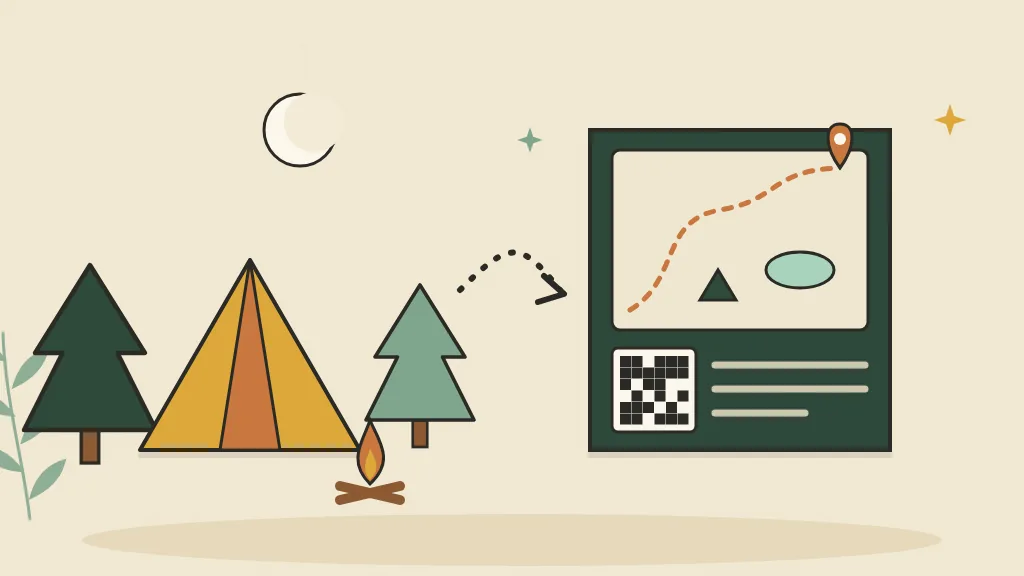
Our idea (speculation): Family-owned campgrounds answer the same questions at the office window all day: where's the dump station, when are quiet hours, is the creek safe to swim, where's the nearest grocery store, what do we do if it rains? You make each campground its own welcome kit: a one-page "first night" sheet (check-in, Wi-Fi spots, quiet hours, trash and fire rules, emergency numbers), a hand-drawn-style map of the grounds plus a "within 20 minutes" list of swimming spots, groceries, urgent care and rainy-day fun, and a kids' scavenger card for the property. AI helps draft and research; the owner checks every rule and you check every place. The same content goes on a QR-linked mobile page and into a simple "come back next season" email the campground sends returning guests.
Who pays: Independent, family-owned campgrounds and RV parks without a marketing person; glamping hosts and small cabin resorts; marinas with overnight slips; later, county parks and youth camps that rent sites to the public.
Start it this weekend: Saturday: pick a campground near you and draft a sample from its public website and reviews: what questions keep coming up? Ask free ChatGPT or Gemini to turn those into a friendly first-night sheet, then build the sheet, a simple map and a scavenger card in Canva's free plan, and look up the nearby list yourself. Sunday: call or visit the owner, show the sample and offer to finish it with their real rules for a flat fee. Set up a free Kit account for the returning-guest email if they want one. Tools: free ChatGPT or Gemini, Canva free, Kit free plan (up to 10,000 subscribers), $0 to start.
Try Kit for the returning-guest emailaffiliate
What could go wrong: Rules about fires, pets, swimming and wildlife must come from the owner and local authorities, never from AI; a wrong fire rule can be dangerous and a burn ban can change daily, so point guests to the office for current conditions. Mark swimming spots honestly (no lifeguard, check posted advisories) and don't invent "safe to swim" claims. Nearby businesses change, so date the guide and offer a yearly refresh. Only email guests who agreed to hear from the campground, with an easy unsubscribe.
Could earn: Medium
The thread connecting today's five
Our take: each idea shrinks something big and generic (a statewide field guide, a photocopied program, a wedding website nobody reads, a marketplace, a campground's office window) down to one park, one show, one weekend, one maker or one campground. AI makes the first draft fast; checking the bird fact, proofing the names, confirming the shuttle time and reading the listing back to the maker is the part people pay for. With over 52 million North American households camping in 2025 and around 2 million U.S. weddings the same year, the audiences are large; the opportunity is in serving one small piece of them well.
Yesterday's five: 5 new AI business ideas for pet owners, homebuyers, farms, grandparents and birthday kids (Nov 13, 2026). Extra beginner-fun page: 5 fun AI business ideas for total beginners (Nov 6, 2026).
Want proof instead of ideas? Read our verified stories of people who actually got paid with AI, and how we verify them. More ideas: the original 13 AI business ideas from trends and 14 ways to start an AI business with ElevenLabs.