5 new AI business ideas for young artists, bilingual families, downsizing parents, tourist-town restaurants and home bakers
Daily ideas for November 16, 2026 (America/New_York). Part of our daily series that started with 13 creative AI business ideas from trends. See all days on the Ideas hub.
Today's five help things cross a gap: a kid's art into a book, a grandparent's language to a grandchild, family stories to the next owner, a menu to a stranger and a baker's real skills to a customer. Ideas 1 and 5 are fun for beginners and cost almost nothing to try. These are speculative ideas, not promises of income; one affiliate link is disclosed below. More about these ideas.
Today's ideas
- The fridge-art yearbook: a year of a kid's drawings turned into a printed book, captioned in the kid's own words (a fun beginner project)
- Talk to your grandkids: a personal phrasebook with audio for grandparents and grandchildren who don't share a first language
- "Who gets the china?": a photo-and-story heirloom catalog so a downsizing parent can pass things on before the move
- Menus tourists can actually order from: translated menus with a plain explainer for every dish and an allergen key, for family restaurants in tourist towns
- The "cakes I can actually make" lookbook: AI-styled design menus with price tiers for home bakers, so customers pick from designs the baker can really deliver (a fun beginner project)
1. The fridge-art yearbook: a year of a kid's drawings turned into a printed book, captioned in the kid's own words (a fun beginner project) (speculative)
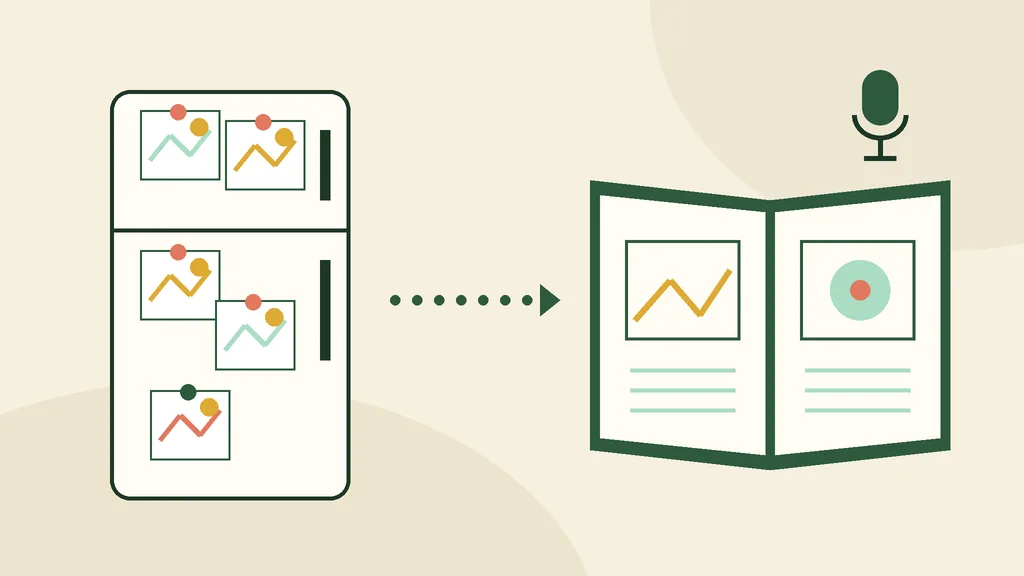
Our idea (speculation): By December, most families have a kitchen drawer or a plastic bin stuffed with a year of drawings, paintings and "this is a dragon eating a taco" masterpieces. Parents feel guilty throwing them out and have nowhere to keep them. You turn the pile into one small hardcover book per kid per year. The parent drops off the bin (or photographs everything at home); you photograph and color-correct each piece. The fun part: the child records a voice memo about each drawing ("that's Grandpa's boat, and the purple thing is a shark"), and AI transcribes it so the caption is the kid's exact words, spelling and all, not an adult's guess. AI also helps sort the art by month or theme and suggests chapter groupings. The family keeps a few originals and recycles the rest without guilt.
Who pays: Parents and grandparents (a natural holiday or end-of-school-year gift); homeschool families who want a yearly art portfolio; preschools, art camps and kids' art studios that could offer a class book as a fundraiser; later, adults scanning their own childhood art from their parents' attic.
Start it this weekend: Saturday: ask one friend with a young kid to lend you ten drawings. Photograph each one flat near a window with your phone (or the free Google PhotoScan app, which reduces glare), then have the kid talk about each one while you record. Use your phone's built-in transcription or paste the recording's transcript into free ChatGPT or Claude and ask it to clean up timestamps only, keeping every word the child said. Sunday: lay out a 20-page sample in Canva's free plan and order a single proof from any photo-book printer (compare their current prices first). Show the proof to parents at a park or co-op. Tools: phone camera, Google PhotoScan (free), free ChatGPT or Claude, Canva free, plus the cost of one printed proof.
What could go wrong: Kids' names, faces and school names shouldn't appear in your own marketing without a parent's written OK, and keep children's recordings private and deleted after the book is done. Don't let AI "improve" the captions; the charm is the kid's own voice. Return or recycle originals exactly as the parent asked, and never lose the bin: label everything. Printing costs and shipping delays eat margins, especially in December, so set a firm holiday order cutoff.
Could earn: Soon
2. Talk to your grandkids: a personal phrasebook with audio for grandparents and grandchildren who don't share a first language (speculative)
Why now: The Migration Policy Institute says a record 74.2 million U.S. residents ages 5 and older spoke a language other than English at home in 2025. A LanguageLine Solutions summary of the same Census survey notes a big age gap: among people who speak Spanish at home, 56.7% of those 65 and older said they speak English less than very well, compared with 22.6% of those ages 5 to 17. That gap often runs right through the middle of a family.
Sources: Migration Policy Institute: Speakers of Languages Other than English in the United States · LanguageLine Solutions summary of the 2025 American Community Survey · ElevenLabs pricing · ElevenLabs Help: Can I publish the content I generate on the platform?
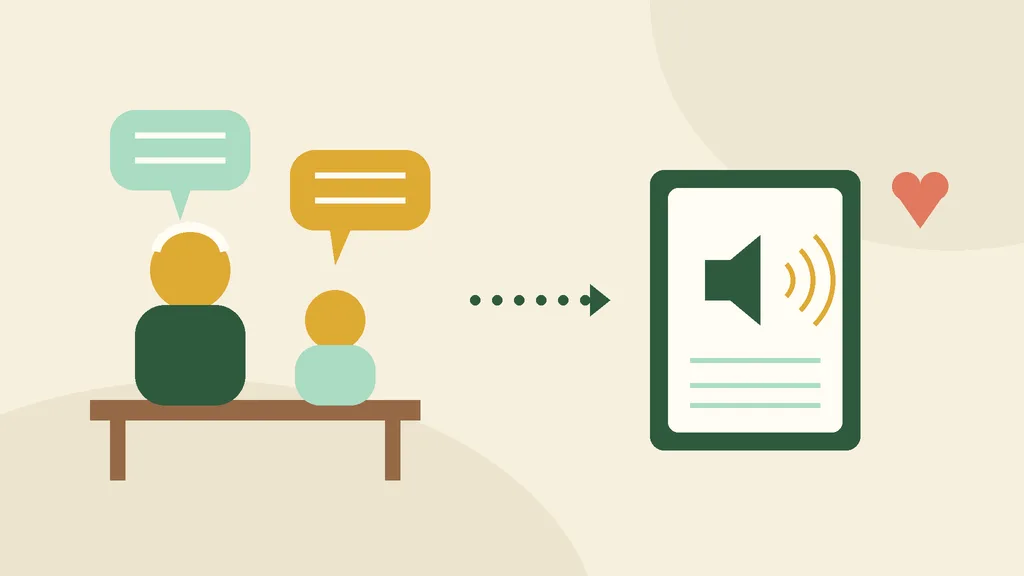
Our idea (speculation): Many grandkids grow up speaking mostly English while a grandparent is most comfortable in Spanish, Tagalog, Vietnamese, Polish or Italian. Both sides want to talk more, and generic language apps don't teach "Lola, can you show me how to make lumpia?" or "Grandpa, I scored a goal today." You build one family's phrasebook: 100 to 150 phrases chosen around that family's real life (the grandkid's sports, pets, favorite foods, holiday traditions, video-call small talk), printed as a pocket booklet and a matching set of cards, each with a QR code that plays the phrase spoken slowly. AI drafts the phrase list from a short family interview and produces the audio; a native-speaking relative records or checks every line. Make two editions: one for the grandkid learning the grandparent's language, one in large print for the grandparent learning the grandkid's English phrases.
Who pays: Parents in bilingual or immigrant families who want their kids to stay close to grandparents (a strong birthday, holiday or Grandparents Day gift); grandparents themselves; heritage-language weekend schools and parishes that could sell family editions as a fundraiser; couples marrying into a family that speaks another language.
Start it this weekend: Saturday: interview one bilingual family you know for 20 minutes about what the grandkid and grandparent talk about, or wish they could. Ask free ChatGPT or Claude to draft 100 phrases in both languages grouped by topic, then have a fluent relative correct them line by line (expect real fixes for regional words and politeness forms). Sunday: generate slow, clear audio for ten phrases and make QR codes that link to each clip with a free QR generator, then lay out the booklet in Canva's free plan. For paid family orders, use a paid ElevenLabs plan: its pricing page (checked Nov 16, 2026) lists Starter at $6 a month with 30,000 credits, and its help center says the free plan "does not include a commercial license" while all paid plans include one. Tools: free ChatGPT or Claude, ElevenLabs ($0 to test, $6 a month for paid work), Canva free, a free QR code generator.
Try ElevenLabs for the phrasebook audioaffiliate
What could go wrong: AI translations can be stiff, wrong or accidentally rude, and regional differences matter (Mexican and Caribbean Spanish differ, and so do Tagalog and other Filipino languages), so a fluent family member approves every phrase and every audio clip before printing. Better still, record the grandparent's own voice for a few favorite phrases; only use a cloned voice with that person's clear written consent. Host audio somewhere that won't vanish (a paid link that breaks makes the booklet useless). Don't market it as a full language course or promise fluency.
Could earn: Medium
3. "Who gets the china?": a photo-and-story heirloom catalog so a downsizing parent can pass things on before the move (speculative)
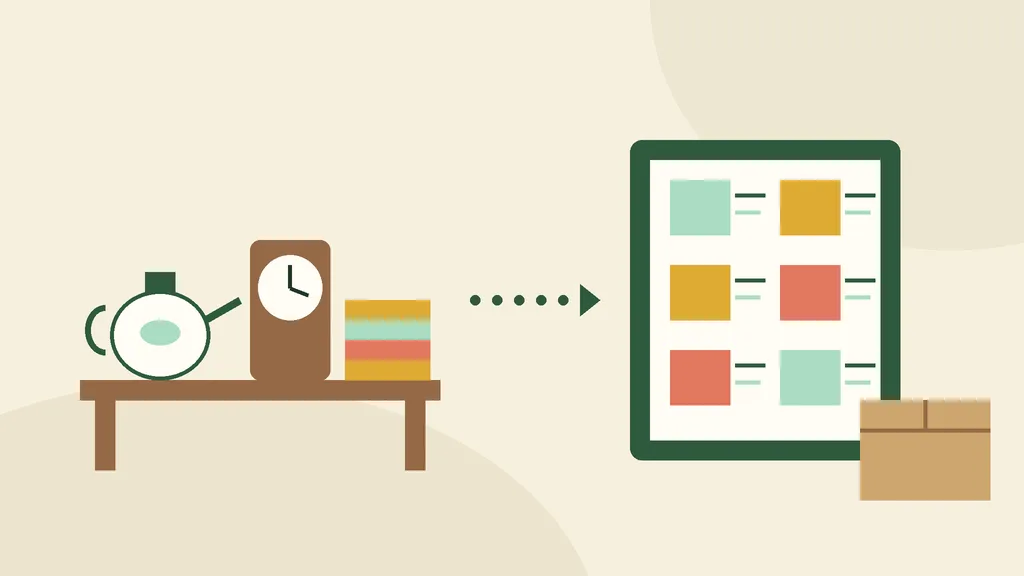
Our idea (speculation): When an older parent moves from a family home into a smaller place or assisted living, the hardest part often isn't packing; it's the stuff with stories. Grandma knows the teapot came from her mother's wedding and the clock was a retirement gift, but nobody else does, and families argue later over things nobody wrote down. You make a heirloom catalog while the parent can still tell the stories. Walk the house together, photograph each meaningful item and record the parent talking about it. AI transcribes the recordings and drafts a short entry for each piece (what it is, where it came from, who in the photo used it, the parent's own words), which the parent edits. The family gets a printed catalog and a shared online list where children and grandchildren mark what they'd love to have, so the parent can decide calmly before moving day.
Who pays: Adult children organizing a parent's move (often splitting the cost among siblings); the downsizing parent; senior move managers and organizers who could add your catalog to their service; retirement communities that host "downsizing" workshops; estate-planning attorneys who want clients to show up with a clear list of personal items.
Start it this weekend: Saturday: practice on your own family. Photograph ten meaningful objects at a parent's or relative's home and record them talking about each one. Use your phone's transcription or free ChatGPT or Claude to turn each recording into a 60-word entry that keeps their exact phrases, and have them correct it. Build a simple shared list in Google Sheets (photo, story, "who would like this?") and a printable catalog in Canva's free plan. Sunday: show the sample to one senior move manager or organizer near you and offer to do their next client's catalog at a pilot price. Tools: phone camera and recorder, free ChatGPT or Claude, Google Sheets, Canva free, $0 to start.
What could go wrong: This is a family keepsake, not an appraisal and not a will. Don't put dollar values on items unless a qualified appraiser supplies them, and send families to an estate-planning lawyer for anything about how belongings are legally passed on. Stay neutral: siblings may disagree, and the parent, not you or the loudest child, decides. Older adults can be pressured, so work with the parent's permission and a family member present. Keep the catalog private, since a list of valuables with photos and an address is a gift to burglars.
Could earn: Medium
4. Menus tourists can actually order from: translated menus with a plain explainer for every dish and an allergen key, for family restaurants in tourist towns (speculative)
Sources: FDA: Food Allergies (major food allergens and labeling)
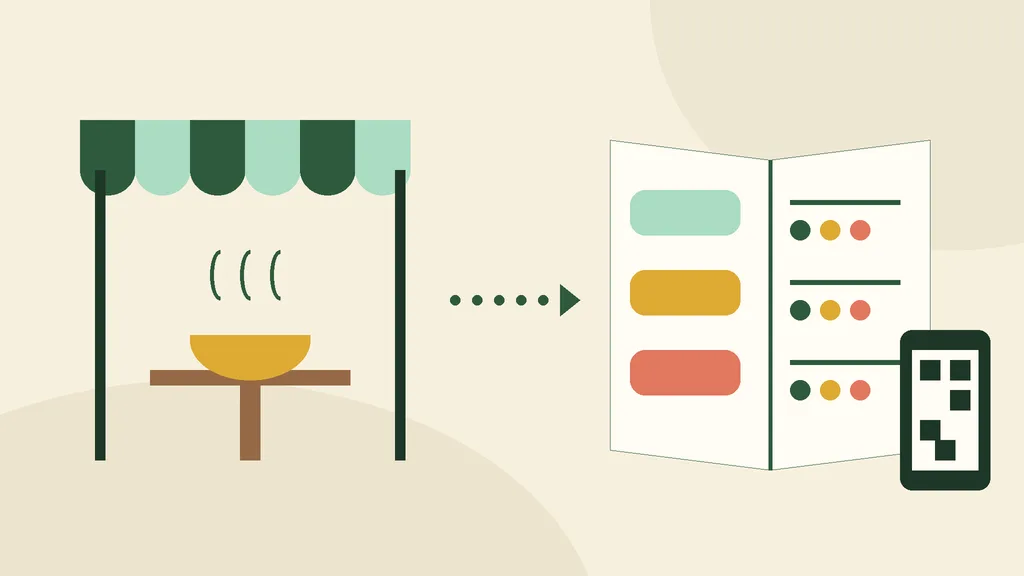
Our idea (speculation): In a beach town, ski town or national-park gateway, the family-run Thai, Peruvian, Greek or barbecue spot gets visitors from everywhere, and many of them stare at "Pad Kra Pao" or "burnt ends" and order the one thing they recognize. You make the menu work for strangers. Starting from the current menu and the owner's ingredient notes, AI drafts a one-line plain explainer for every dish ("spicy stir-fried ground pork with holy basil and a fried egg") and translations into the two or three languages the town's visitors actually speak. A native speaker checks each language, the owner checks every ingredient, and you deliver a printed insert plus a phone page reached by a QR code on the table, which is easy to update when the specials change.
Who pays: Independent restaurants, food trucks, bakeries and cafés in tourist towns, near cruise ports, airports, universities and theme parks; hotel restaurants and B&Bs serving breakfast to international guests; local tourism boards or business districts that might sponsor a "menus for visitors" program for several restaurants at once.
Start it this weekend: Saturday: pick one local family restaurant and photograph its public menu. Ask free ChatGPT, Gemini or Claude for a 15-word explainer per dish and a Spanish (or whichever language fits your town) version, then mark every line you're unsure of. Lay out a sample insert in Canva's free plan and build a simple phone version with a free Google Sites page and a free QR code. Sunday: find one native speaker to check the translation (pay them; it's part of your cost), then show the owner the sample on a slow afternoon. Tools: free ChatGPT, Gemini or Claude, Canva free, Google Sites (free), a free QR code generator, plus a fee for a human translation check.
What could go wrong: Allergens are the big one. The FDA lists nine major food allergens (milk, eggs, fish, crustacean shellfish, tree nuts, peanuts, wheat, soybeans and sesame), and its page notes that the federal allergen labeling law does not cover most food sold at restaurants that isn't pre-packaged with a label, so menu allergen notes rest on the owner. Every allergen icon must come from the owner's actual recipes and suppliers, never from AI guessing, with a line telling guests to ask staff; recipes change, so date the menu and update it. Local health rules may also apply. Bad translations are embarrassing or confusing, so a native speaker checks every language. Owners are busy and frugal; a flat setup fee plus a small yearly update price is easier to say yes to.
Could earn: Soon
5. The "cakes I can actually make" lookbook: AI-styled design menus with price tiers for home bakers, so customers pick from designs the baker can really deliver (a fun beginner project) (speculative)
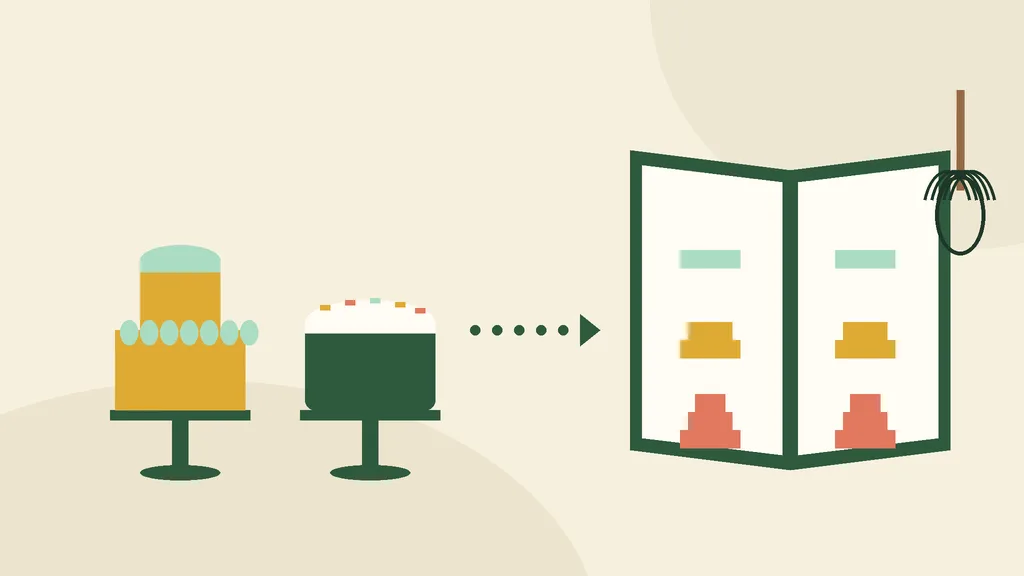
Our idea (speculation): Home and cottage bakers get the same message every week: a screenshot of a viral five-tier cake and "can you do something like this for Saturday, under $60?" Lots of back-and-forth, then no order. You build each baker a design lookbook made from her real work. Start with photos of cakes, cookies or cupcakes she has actually made; use AI image tools to create clean, consistent variations (new color palettes, seasonal toppers, themed versions) of those same designs, and have the baker remove anything she can't reproduce. Group them into simple tiers (classic, party, showstopper) with her real prices and lead times, plus a short order form. Customers browse a page of things she can truly make, and she spends less time answering "how much?"
Who pays: Home bakers and cottage-food businesses selling cakes, decorated cookies, cupcakes and cake pops; small storefront bakeries without a designer; dessert tables and party-rental businesses; later, a seasonal refresh (Christmas, graduation, wedding season) sold as a subscription.
Start it this weekend: Saturday: ask a baker friend (or a home baker you follow locally) for 10 photos of her best work. Use the image tools in free ChatGPT or Gemini to create a few color and theme variations of one design, and keep only the ones she says she could make. Build a lookbook and order form in Canva's free plan (or a Google Form) with her prices and lead times. Sunday: give her the sample free in exchange for honest feedback and a testimonial, then post a before-and-after (with her permission) in a local bakers' group. Tools: phone photos, free ChatGPT or Gemini, Canva free, Google Forms, $0 to start.
What could go wrong: AI pictures can show sugar work, gravity-defying tiers or colors that no real buttercream can match, so every image is either the baker's real photo or clearly labeled "design preview," and she approves each one. Never use cartoon characters, team logos or brand designs the customer can't legally put on a cake you sell. Cottage-food rules (what can be sold from a home kitchen, labeling, sales limits) differ by state and county, so the baker checks her local rules; you don't give legal advice. Bakers may want this for free; a flat fee per lookbook with a seasonal refresh price is simpler than hourly work.
Could earn: Soon
The thread connecting today's five
Our take: each idea is a translation job in the broad sense. Something valuable is stuck in a form other people can't use (a bin of drawings, a grandparent's language, a parent's memories, a menu written for locals, a baker's photo roll), and AI makes the first draft of the bridge cheap. The paid part is the human checking: the kid's exact words, the fluent relative, the parent's final say, the owner's real recipes and the baker's honest "yes, I can make that." With 74.2 million U.S. residents speaking a language other than English at home in 2025, idea 2 alone has a lot of families who might want a phrasebook of their own.
Yesterday's five: 5 new AI business ideas for animal rescues, indie shops, homeschool families, teachers and hometown clubs (Nov 15, 2026). Extra beginner-fun page: 5 fun AI business ideas for total beginners (Nov 6, 2026).
Want proof instead of ideas? Read our verified stories of people who actually got paid with AI, and how we verify them. More ideas: the original 13 AI business ideas from trends and 14 ways to start an AI business with ElevenLabs.