5 new AI business ideas from this week's trends
Daily ideas for November 4, 2026 (America/New_York). Part of our daily series that started with 13 creative AI business ideas from trends. See all days on the guides page.
Ideas, not verified income stories. Each idea is our own speculation built on linked sources, and none is a promise of income. One link marked affiliate may earn us a commission. More about these ideas.
Today's ideas
- Discord "web presence" prep for hobby, homeschool and fan communities before November 16
- Weekly call checkups for small businesses running an AI phone agent
- Family-vlog archive index and takedown plan before California's January 1 law
- GivingTuesday "one weekend" appeal kit for tiny nonprofits
- "Get in before February" YouTube Partner Program sprint for near-threshold channels
1. Discord "web presence" prep for hobby, homeschool and fan communities before November 16 (speculative)
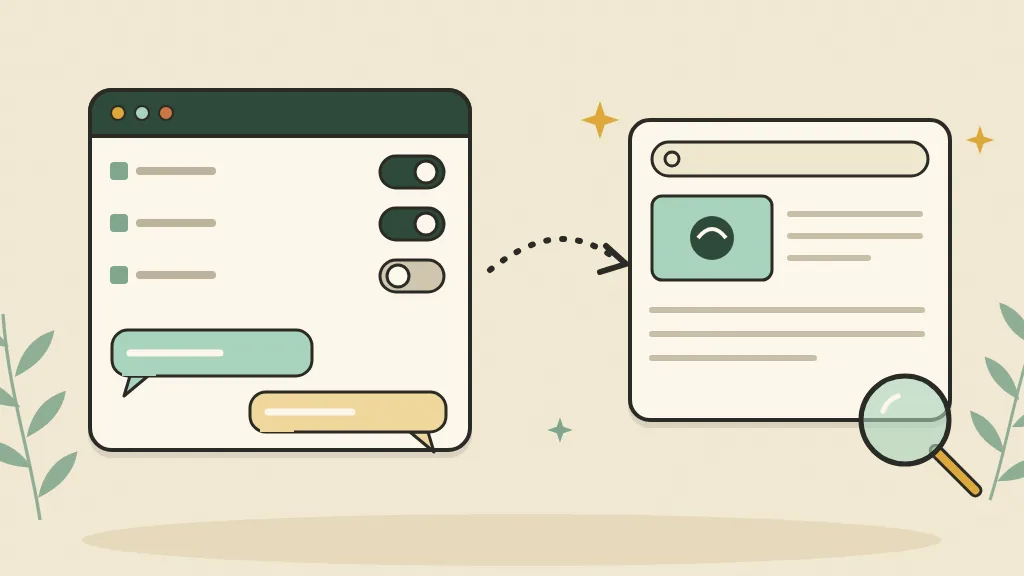
What the source says: Discord says that starting November 16, 2026, every Discoverable Server (public servers with at least 1,000 members) gets a public Server Web Page, which may show automated summaries of active public-channel conversations. From mid-December 2026, some messages from public channels may appear on those pages and in web search, without usernames or avatars. Admins choose which channels take part in Server Settings; if they change nothing, public channels stay on. Discord counts more than 63,000 Discoverable Servers. TechCrunch reports privacy backlash from users who did not expect their public-server posts to be findable across the web.
Sources: Discord: Making content from Discoverable Servers easier to discover (Oct 27, 2026) · TechCrunch: Discord is making its public communities more searchable, and people have concerns (Oct 27, 2026)
Our idea (speculation): Most community admins are volunteers who will not read the settings before November 16. Offer a fixed-price "web presence prep": walk the server with the admins, decide channel by channel what should be findable (a well-organized FAQ or help forum) and what should stay inside (off-topic chat, anything about kids or personal life), edit the default Server Web Page, and pin a short plain-language notice telling members how to opt out. Use an AI assistant to turn months of repeated questions into one clean, public FAQ channel, so the summaries Discord shows are actually useful and the community gets found by people searching for answers.
Who pays: Admins and owners of large public Discord servers: indie game studios, creators with fan servers, hobby and craft communities, language-learning groups, and small brands that run a community.
Start it this weekend: Check that the server qualifies (Discoverable Servers only) and read Discord's blog and Help Center page on Web Presence. Write a one-page checklist: channels on or off, Server Web Page edits, a member notice, an FAQ channel. Offer it free to one server you already belong to, then to two others, with permission from the owner. Never ask for an admin's login; they click the settings while you guide them on a call.
What could go wrong: This depends on a single platform's rollout, which may change or slip, and the setup window is short. Members may be angry about any exposure, so default to "off" for anything personal. Teen users are excluded and member defaults differ in the EU, UK, Canada, Brazil, Australia and South Korea; do not promise that anything will or will not appear in search.
Could earn: Soon (weeks; most useful before November 16 and mid-December)
2. Weekly call checkups for small businesses running an AI phone agent (speculative)
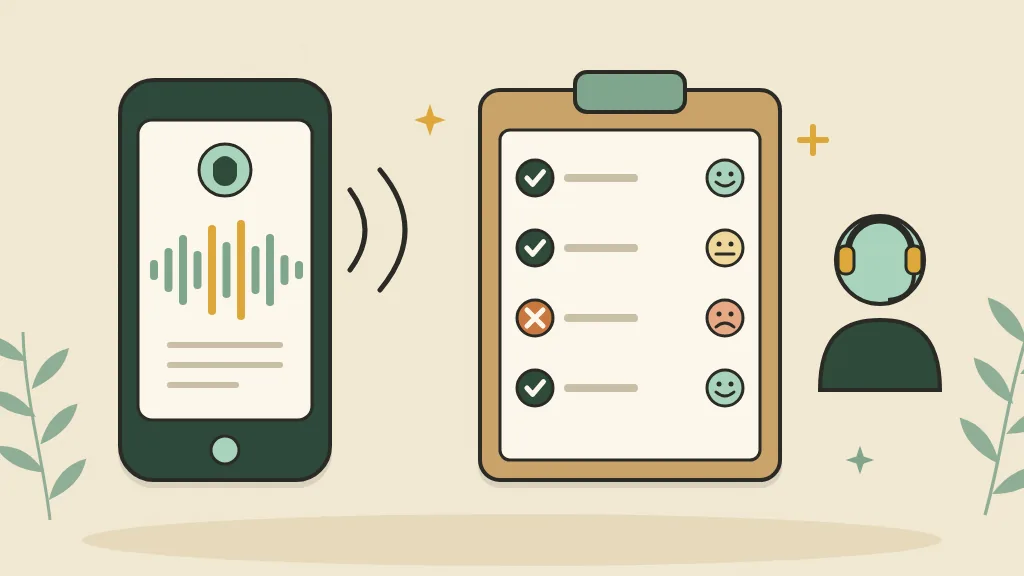
What the source says: Hume AI launched an Audio Decision API that answers questions you write about a recording, such as whether a caller sounds frustrated, how many speakers there are, or whether a voice is AI generated, returning probabilities; Hume says it can search a call archive and reported 70.7% agreement with a human panel's average judgment in its own initial evaluation. ElevenLabs launched Eleven Realtime speech-to-speech models for voice agents, supporting more than 90 languages. Meanwhile, the Uptime Report's tracker notes that from January 1, 2027, California AB 1609 bars large businesses from presenting a customer service chatbot as human and requires access to a human agent, and Maine already bars chatbots that could mislead consumers into thinking they are dealing with a human unless clearly notified.
Sources: Hume AI: Introducing the Audio Decision API (Nov 2, 2026) · Financial News: ElevenLabs unveils Eleven Realtime voice AI supporting 90 languages (Nov 3, 2026) · The Uptime Report: State AI laws tracker, updated Oct 30, 2026
Our idea (speculation): Setting up an AI receptionist is now easy; checking whether it is quietly losing customers is not. Sell a weekly "call checkup" to a dental office, salon or HVAC company that already uses one: pull a sample of recorded calls, flag the ones where callers sounded frustrated, hung up, or never reached a person, check that the agent says it is AI and offers a human, and send a one-page report with three fixes to the agent's script. Tools that score audio make the sampling faster, but the value is your human listening and your plain-English recommendations.
Who pays: Owners and office managers of local service businesses that already run an AI phone agent, and the agencies that installed those agents for them.
Start it this weekend: Write a 10-question scorecard (Did it say it was AI? Was a human offered? Did the caller get what they wanted? Did they sound upset?). Practice on test calls to your own voice-agent trial. Ask one business you know for permission to review last week's recordings. Check the pricing and terms of any audio-analysis tool before you use it, and follow the call-recording consent rules in your state.
What could go wrong: Call recordings hold personal and sometimes health information; get written permission, keep data in the client's own system where possible, and avoid uploading recordings to tools the client has not approved. Emotion scores are estimates, not facts. The laws named are summaries from a tracker, not legal advice, and AB 1609 applies to large businesses; do not sell this as compliance certification.
Could earn: Medium (1 to 6 months)
3. Family-vlog archive index and takedown plan before California's January 1 law (speculative)

What the source says: California SB 1247 takes effect January 1, 2027. According to Nixon Peabody, an adult who was featured as a minor in paid content can request that a family member who earned money from it delete it or edit them out, when that child made up at least 30% of the vlogger's content. The vlogger has 10 business days after the request to comply, and failing to do so can bring actual damages, statutory damages of $3,000 per day, an injunction and attorneys' fees. The firm advises family vloggers to determine which existing paid content may be covered and set up a way to respond in time.
Sources: Tubefilter: A new California law lets children of family vloggers make their parents take down footage of them (Nov 1, 2026) · Nixon Peabody: California law gives child influencers a new right to remove paid content (Oct 27, 2026)
Our idea (speculation): A family channel with ten years of uploads cannot find every video featuring one child in 10 business days by scrolling. Offer an "archive index": export the channel's video list, use AI tools that can summarize or search video to note which videos feature which child, which were sponsored or monetized, and how much of each video they appear in, and hand the family a searchable spreadsheet plus a written step-by-step takedown or edit plan. Offer an optional retainer to handle edits fast if a request ever comes. It is respectful work: it helps parents honor their kids' wishes quickly.
Who pays: Family vloggers and parent-run channels with large back catalogs, and the managers, agencies and editors who work for them. Later, businesses that license family-vlog libraries.
Start it this weekend: Practice on a public channel you watch (without contacting them) to time how long indexing 50 videos takes. Build a template sheet: video link, date, people shown, paid or sponsored, notes. Reach out to two small family creators you already know, and partner with a lawyer for any question about what the law covers. Check the current pricing of any AI video tool you use.
What could go wrong: You are not a lawyer: never tell a family whether a video is legally covered. Videos of children are sensitive, so keep files private and delete working copies when done. AI can misidentify people; a human must check every row. Demand is concentrated in California for now, and some families may prefer to remove everything rather than pay for an index.
Could earn: Medium (1 to 6 months)
4. GivingTuesday "one weekend" appeal kit for tiny nonprofits (speculative)

What the source says: GivingTuesday 2026 is December 1. Its AI Corner, run with TechSoup, recommends writing a 45-minute "campaign brief" first, then using AI tools to plan content, find partners and check the donor journey for friction, while warning that context makes output more relevant, not more true, and that donor data should stay out of unapproved tools. Separately, Google announced that Gemini in Slides can now edit an entire presentation from one prompt, with promotional higher limits for Workspace customers through at least December 1, 2026. Kit's pricing page lists a free plan for up to 10,000 subscribers.
Sources: GivingTuesday: Participate in GivingTuesday 2026 (Dec 1, 2026), including the TechSoup AI Corner · UC San Diego AI Weekly: Gemini in Slides edits a whole deck; promotional higher limits through Dec 1 (Nov 2, 2026) · Kit: Pricing and plans
Our idea (speculation): Big charities have campaign teams; a food pantry, homeschool co-op or parish ministry has one tired volunteer. Sell a done-with-you weekend kit: a one-page campaign brief from a 45-minute interview, a short impact deck, a three-email appeal series (before, on and after December 1), five social posts and a thank-you note, all drafted with AI from the nonprofit's own stories and checked by a person. Set up the emails in a free email tool and leave the volunteer a calendar of what to send when. It is a small, deadline-driven job that is easy to explain and can repeat for year-end giving.
Who pays: Small nonprofits, churches and ministries, school PTOs and co-ops without a staff marketer. Local businesses sometimes sponsor a kit for a cause they support.
Start it this weekend: Make a sample kit for a cause you care about (with permission). Use any AI assistant to draft, and a free email plan such as Kit's, which allows up to 10,000 subscribers. Offer two nonprofits a fixed price and a deadline of November 24 so emails are scheduled before December 1. Always get consent before using a real person's story.
Try Kit for the appeal emailsaffiliate
What could go wrong: There is very little time before December 1, so take only a few clients. AI drafts can invent statistics; check every number against the nonprofit's own records. Donors dislike generic AI-sounding appeals, so keep the real stories front and center. Fundraising results depend on the nonprofit's supporters, so never promise a dollar amount.
Could earn: Soon (weeks, before December 1)
5. "Get in before February" YouTube Partner Program sprint for near-threshold channels (speculative)

What the source says: From February 1, 2027, new applicants to the YouTube Partner Program will need 8,000 qualified watch hours in the last 365 days or 20 million qualified Shorts views in the last 90 days for ads and Premium revenue sharing; YouTube says the update won't affect creators already in the program. Today's help page lists 1,000 subscribers plus 4,000 qualified watch hours in 12 months, or 10 million Shorts views in 90 days, and says reviews typically take about a month. Meanwhile, Tubefilter reports X is piloting a Video Kickstart Bonus of up to $3,000 for select creators who post 15 qualifying videos on 15 different days.
Sources: YouTube Blog: New opportunities to earn and changes to the YouTube Partner Program (Aug 10, 2026) · YouTube Help: YouTube Partner Program overview and eligibility · Tubefilter: X is offering bonuses to creators who consistently upload new videos (Nov 3, 2026)
Our idea (speculation): Channels sitting at, say, 3,000 public watch hours have a clear deadline: reach today's bar and apply before the bar doubles. Sell a short "sprint" package: an AI-assisted audit of which old videos still pull watch time, a plan for a few longer videos and playlists that keep viewers watching, and help converting existing livestreams into public replays (unlisted ones do not count). Then help them finish the YPP signup steps early so the review can start. Add a second track for creators invited to platform bonus pilots like X's: a 15-day posting calendar using clips they already have.
Who pays: Small and mid-size YouTube channels close to the current threshold: homeschool and craft channels, local news and church channels, hobby and gaming creators.
Start it this weekend: Write a one-page "watch-hour check" (YouTube Studio analytics, top videos, unlisted or private videos that could go public, playlists). Offer it free to three channels you know that are close to the line. Use any AI assistant to outline longer videos from their existing material. Do not buy or trade views; only real viewing counts and fake views can get a channel rejected.
What could go wrong: There is no guarantee a channel reaches the threshold or passes review, and the review takes time, so a late sprint may miss February 1. View bots, sub-for-sub and recycled content can break YouTube's policies. X's bonus is an invitation-only pilot with unclear terms. Once the deadline passes, this specific service ends, so plan what you sell next.
Could earn: Soon (weeks, ends February 1, 2027)
The thread connecting today's five
Our take: today's five are about deadlines. Discord's search rollout starts November 16, GivingTuesday is December 1, California's family-vlogger law starts January 1, and YouTube's higher entry bar starts February 1. Busy owners, volunteers and parents rarely read the fine print in time. A small, fixed-price service that does the reading, uses AI for the busywork, and leaves a person in charge of the judgment calls is easy to explain when there is a date on the calendar.
Yesterday's five: 5 new AI business ideas (Nov 3, 2026).
Want proof instead of ideas? Read our verified stories of people who actually got paid with AI, and how we verify them. More ideas: the original 13 AI business ideas from trends and 14 ways to start an AI business with ElevenLabs.