5 new AI business ideas for grandparents, coaches, crews and homeschoolers
Daily ideas for November 12, 2026 (America/New_York). Part of our daily series that started with 13 creative AI business ideas from trends. See all days on the Ideas hub.
Today's five start with people, not headlines: a grandparent with a new phone, a family with a food allergy, a small work crew, a volunteer coach and a homeschool group looking for a field trip. Ideas 1, 4 and 5 are friendly for beginners and cost almost nothing to try. These are speculative ideas, not promises of income; one affiliate link is disclosed below. More about these ideas.
Today's ideas
- "My phone, my way": large-print cheat-sheet booklets made from a grandparent's own phone screens (a fun beginner project)
- Allergy-safe trip packs for food-allergy families: the hotel kitchen email, the restaurant shortlist and the card, sorted before they leave
- Ten-minute bilingual toolbox talks, printed and spoken, written around a small crew's actual job this week
- "Practice in your pocket": weekly practice-plan packs for volunteer youth coaches in one sport and one age group
- Homeschool field-trip kits for local businesses: a bakery, farm or marina hosts a group, you write the learning
1. "My phone, my way": large-print cheat-sheet booklets made from a grandparent's own phone screens (a fun beginner project) (speculative)
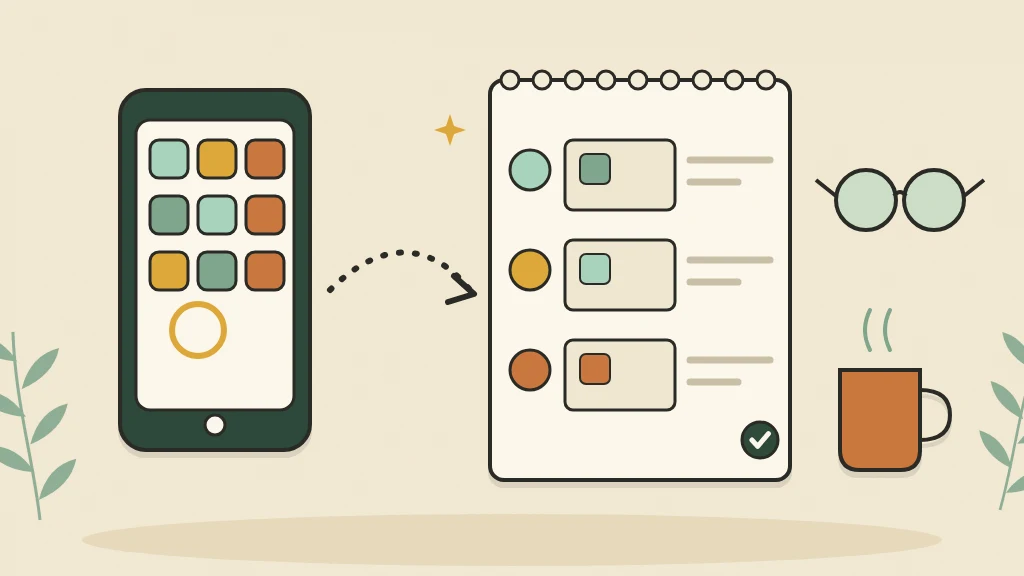
Why now: Pew Research Center's Mobile Fact Sheet, as shown when we checked on Nov 12, 2026, lists 79% of U.S. adults 65 and older as owning a smartphone, compared with 97% of adults ages 18 to 49. So most grandparents now have a smartphone; plenty still call a grandchild every time they want to send a photo or join a video call.
Sources: Pew Research Center: Mobile Fact Sheet
Our idea (speculation): Generic "how to use your phone" books never match the actual phone. You make a short, large-print booklet built from screenshots of their phone: one task per page ("Call Maria on video," "Send a photo to the family chat," "Make the text bigger," "Find the pharmacy's phone number"), with big numbered steps and the exact button circled. Free ChatGPT or Gemini helps you turn your notes into short, friendly steps at a large reading level; you take the screenshots and test every step on the phone itself. Sell it as a gift that grown children give a parent (with a 30-minute visit to walk through it), or as a service for senior centers and retirement communities.
Who pays: Adult children and grandchildren buying a holiday or birthday gift for a parent with a new phone; senior centers, libraries, retirement communities and church senior ministries that run tech-help days.
Start it this weekend: Saturday: sit with one grandparent (yours or a friend's), ask which five things they most want to do on their phone, and take screenshots of every step. Paste your rough notes into free ChatGPT or Gemini and ask for short steps in plain words, then fix anything that doesn't match the screen. Sunday: lay it out in Canva's free plan at 18-point text or bigger, print and staple or spiral-bind it at a print shop, and watch them use it without help. Offer the next one to a friend's family for a small flat price. Tools: the person's phone, free ChatGPT or Gemini, Canva free, home printer, $0 to start.
What could go wrong: Screenshots can show private things: blur contact names, messages, bank apps and notification previews, and never ask for passwords. Phones update and buttons move, so date the booklet and offer a cheap refresh. Never "help" by logging into accounts or changing security settings for them. Some older adults are a scam target, so add a gentle page on "the bank will never ask for your code," copied from the bank's or a government site's own advice rather than invented.
Could earn: Soon
2. Allergy-safe trip packs for food-allergy families: the hotel kitchen email, the restaurant shortlist and the card, sorted before they leave (speculative)
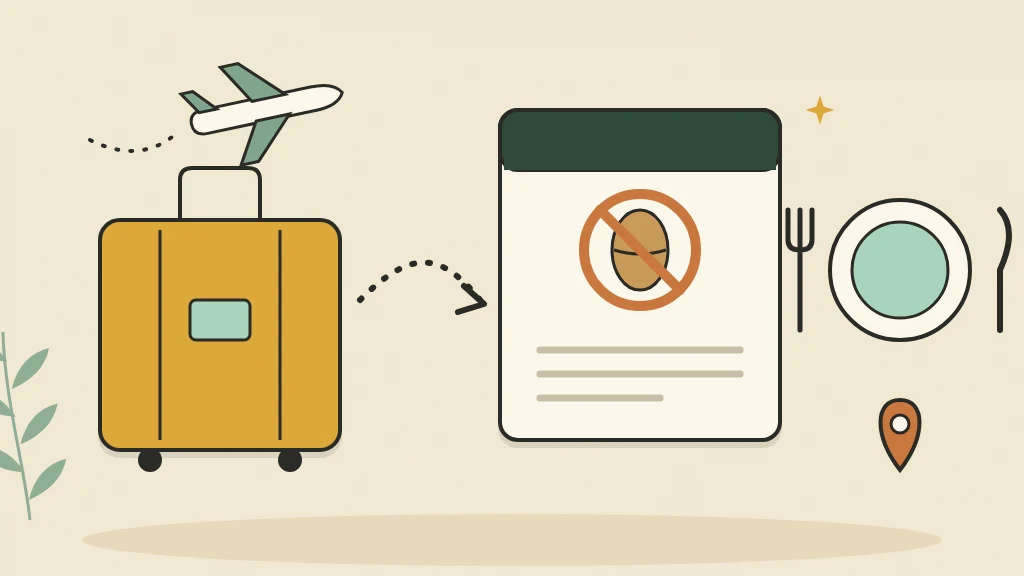
Why now: Food Allergy Research & Education (FARE) says food allergy affects more than 33 million people in the United States. Translated "chef cards" already exist as a product: Equal Eats sells a printable customized food allergy card PDF for $15.99 (as listed when we checked on Nov 12, 2026). What a card doesn't do is the planning around it: which restaurants near the hotel have answered allergy questions, what the resort kitchen said by email, and where the nearest pharmacy and hospital are.
Sources: FARE: National Indicator Report on Food Allergy · Equal Eats: customized dietary cards
Our idea (speculation): Offer a "trip pack" for one family and one trip. Before they go, you draft polite allergy emails to their hotel or resort and a few restaurants near where they're staying (AI helps you write clearly and translate, and a fluent speaker checks the translation), track the replies, and build a short shortlist of places that answered well. Add the nearest pharmacy and hospital, the family's own doctor-approved emergency plan copied in, and a professionally made translated allergy card (buy it from a specialist like Equal Eats rather than AI-translating the card itself). Deliver it as a PDF on their phone plus a printed copy. A mashup of travel planning and allergy-family know-how, priced per trip.
Who pays: Parents of kids with food allergies, adults with celiac disease or serious allergies, and family travelers heading to cruises, resorts or theme parks for the holidays; later, small travel advisors who want to offer it to their own clients.
Start it this weekend: Saturday: plan a pretend trip for your own family or a friend with an allergy: pick a real hotel, find five nearby restaurants on Google Maps, and use free ChatGPT or Gemini to draft a short, clear allergy question email. Send it for real (with the friend's permission) and log the replies. Sunday: build the pack in Canva's free plan or Google Docs and ask the friend what was useful. Then offer it in local allergy-parent Facebook groups at a flat price per trip. Tools: Google Maps, free ChatGPT or Gemini, Canva free or Google Docs, about $16 for a professionally translated card if you include one.
What could go wrong: This is high-stakes: you are not a doctor, and a kitchen's email reply is not a guarantee. Say so plainly on every pack, and never tell a family a place is "safe." The emergency plan and medication details must come from their own doctor, word for word. Machine translation can be wrong about exactly the words that matter (like "traces" or "shared fryer"), so have a fluent speaker check every translated line or leave it out. Restaurants change menus and staff, so date everything.
Could earn: Medium
3. Ten-minute bilingual toolbox talks, printed and spoken, written around a small crew's actual job this week (speculative)
Why now: OSHA's 2010 training policy statement says employers "must instruct its employees using both a language and vocabulary that the employees can understand," and that if a worker doesn't speak English, instruction must be in a language they understand. CPWR, the construction research and training center, keeps a free library of toolbox talks and a list of Spanish-language resources. For audio, ElevenLabs' pricing page lists a free plan without a commercial license and a Starter plan at $6 a month (shown at $1 for the first month when we checked on Nov 12, 2026) with a commercial license and 30,000 credits a month.
Sources: OSHA: Training Standards Policy Statements (April 28, 2010) · CPWR: free toolbox talks · ElevenLabs pricing
Our idea (speculation): Free toolbox talks are generic. Small roofing, landscaping, painting and remodeling crews need the one about this week: the steep roof on Elm Street, the new trencher, the heat on a Florida afternoon. Each week the owner sends you a two-line note and a photo of the job. You start from a free CPWR or OSHA talk on that hazard, tailor it to the job, and deliver a one-page sheet in English and Spanish (or the crew's language) with a sign-in box, plus a two-minute audio version in each language voiced in ElevenLabs that the foreman can play from a phone at the morning huddle. A fluent bilingual reviewer checks every translation before it goes out.
Who pays: Owners of 3-to-20-person construction, roofing, landscaping, painting and cleaning crews, especially where the owner or foreman isn't comfortable leading a talk in the crew's first language; later, staffing agencies and small general contractors with several subs.
Start it this weekend: Saturday: download two free CPWR toolbox talks (one on falls, one on heat or ladders). With free ChatGPT or Claude, rewrite one around a real job a contractor friend has this week, then ask a fluent Spanish-speaking friend to review the Spanish line by line. Sunday: lay out the one-pager in Google Docs or Canva free with a sign-in table, and make the audio in ElevenLabs (free plan to test; Starter at $6 a month once you sell, for the commercial license). Offer four weeks free to one crew, then a flat monthly price. Tools: CPWR talks (free), free ChatGPT or Claude, Google Docs or Canva free, ElevenLabs, $0 to $6 a month.
Try ElevenLabs for the spoken versionaffiliate
What could go wrong: A toolbox talk is not a substitute for the specific training some OSHA standards require (fall protection, scaffolds, forklifts and so on), and you are not a safety consultant: say so, and keep each talk tied to an official source. A wrong translation of a safety instruction is dangerous, so a fluent human reviews every line. Don't put workers' names or immigration details anywhere. Owners who skip safety talks may not pay for them either; aim at the owners who already hold them and want them easier.
Could earn: Medium
4. "Practice in your pocket": weekly practice-plan packs for volunteer youth coaches in one sport and one age group (speculative)
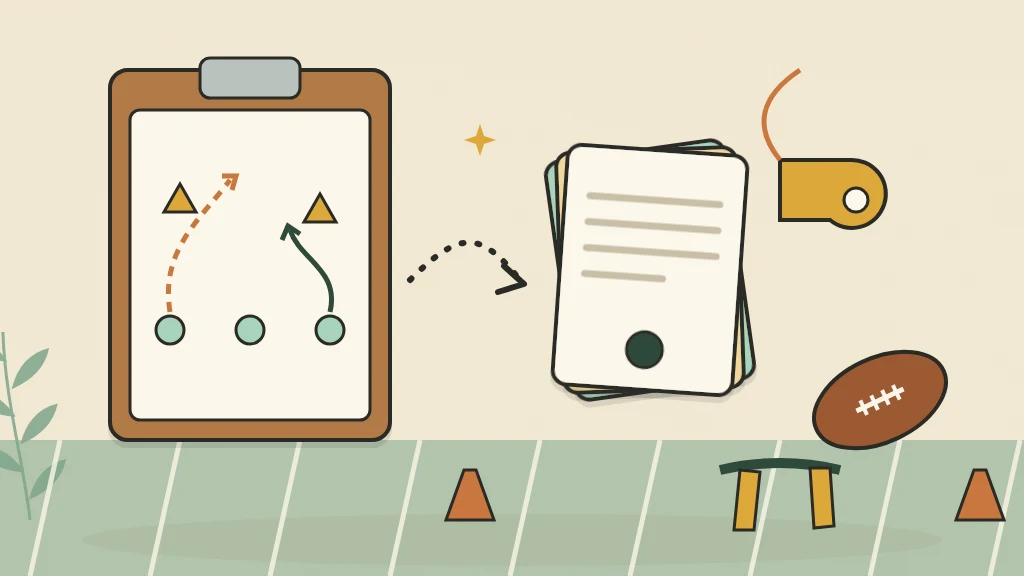
Why now: The Aspen Institute's Project Play reports that only 26% of youth coaches in 2024 had training in general safety and injury prevention within the previous 12 months, down from 34% in 2019. In its 2023 report, Positive Coaching Alliance president Jason Sacks noted that a volunteer parent coach is asked to do a background check, SafeSport, concussion training and CPR on top of learning skills and drills, and asked whether some subjects could come as "a PDF with 10 tips, instead of a training."
Sources: Project Play: State of Play 2025, Coaching Trends · Project Play: State of Play 2023, Coaching Trends
Our idea (speculation): Pick one sport and one age group you know (say, 5-to-8-year-old flag football, or 9U softball) and sell a season of ready-to-run practices: each week a one-page plan with a warm-up game, two drills, a scrimmage twist, how to set the cones, what to say to kids who are struggling, and a short parent text the coach can forward. AI helps you draft and vary the plans quickly; you build them from your own experience and the sport's official youth coaching resources, then test them with a real team. Sell to the volunteer coach directly, or to the league as a season pack for every coach.
Who pays: Volunteer parent coaches (often signed up the week before the season), small rec leagues, church leagues, YMCAs and homeschool sports co-ops that want every team to have a decent practice plan.
Start it this weekend: Saturday: write out three practices you've run or watched for one age group. Ask free ChatGPT or Gemini to turn them into your fixed one-page template and suggest kid-friendly game names, then check each drill against your sport's official youth coaching material and cut anything unsafe or too complex. Sunday: design the template in Canva's free plan with simple diagrams (circles, triangles and arrows), and offer the first four weeks free to a coach in your league in exchange for honest feedback. Tools: free ChatGPT or Gemini, Canva free, $0.
What could go wrong: Leagues and national bodies have their own safety rules (heat, concussion, contact limits); plans must follow them and never replace required certifications. Don't copy drills or diagrams from paid coaching sites or books. Season timing matters: coaches buy right before the season, so sell to leagues months ahead. Keep kids' names and photos out of anything you share.
Could earn: Soon (seasonal)
5. Homeschool field-trip kits for local businesses: a bakery, farm or marina hosts a group, you write the learning (speculative)
Why now: Johns Hopkins' Homeschool Research Lab reported in September 2026 that 17 of the 22 states that had released 2025-2026 counts showed more registered homeschoolers than the year before, though overall growth across those states slowed to 1.5% from 6.3% the prior year. Homeschool families plan their own field trips during school hours, when many local businesses are quiet.
Sources: Johns Hopkins Institute for Education Policy: Homeschool Growth 2025-2026 (Sept 2026)
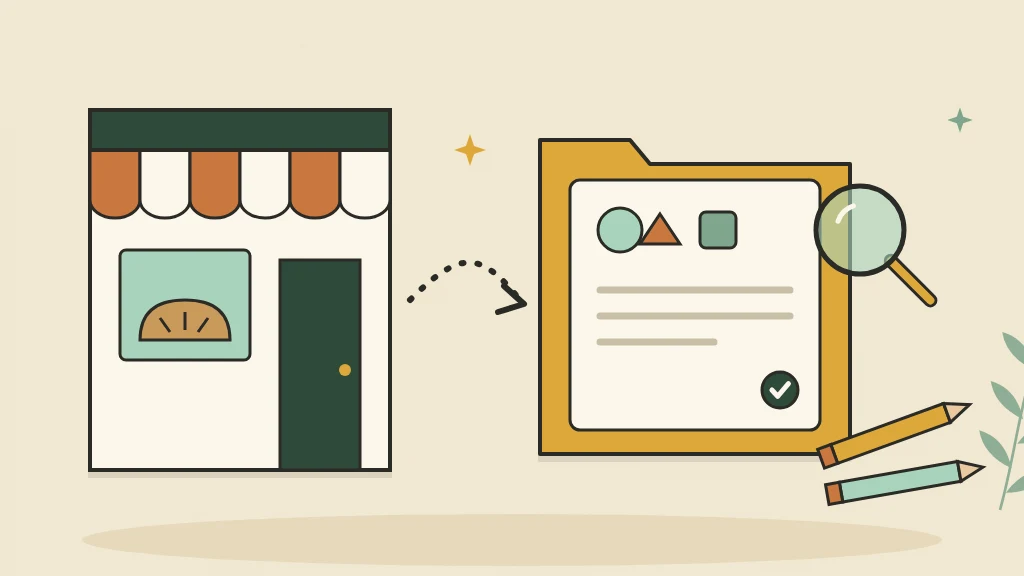
Our idea (speculation): Plenty of small businesses would happily host a homeschool group on a slow Tuesday morning, but they don't know what to "teach." You build them a field-trip kit: a 60-to-90-minute visit plan, a one-page "what to show and say" guide for the owner, a kid activity packet for two age ranges (the science of yeast at a bakery, measuring and fractions at a paint store, buoyancy at a marina, plant life cycles at a nursery), a hands-on challenge, and a booking page or flyer for local homeschool co-ops. AI drafts the activity sheets; you check every fact and walk the visit with the owner. The business pays you for the kit; it charges families a small per-child fee or uses the visit to win new customers.
Who pays: Bakeries, farms, garden centers, marinas, bike shops, craft studios, small museums and animal rescues that have quiet weekday mornings; homeschool co-op organizers who want ready-made trips (and might pay for a bundle of local kits).
Start it this weekend: Saturday: pick one friendly local business you already visit and ask the owner what happens behind the counter. Use free ChatGPT or Gemini to draft a visit plan and two activity sheets, then verify every science or history fact against a trusted source (a university extension page, a museum site). Sunday: lay out the packet in Canva's free plan, print a sample, and run a pilot visit with two or three homeschool families you know. Use their photos (with permission) and feedback to pitch the next business. Tools: free ChatGPT or Gemini, Canva free, home printer, $0 to start.
What could go wrong: Kids in a working business need safety rules, adult supervision and possibly the owner's insurance sign-off; let the business decide what areas are off-limits. AI can confidently get science wrong, so check every fact. Don't collect or post children's photos or names without written parent permission. Some owners will love the idea but never book a date, so make the first visit easy and bring the families yourself.
Could earn: Soon / Medium
The thread connecting today's five
Our take: each of these turns something generic that already exists for free (phone manuals, allergy cards, toolbox talks, drill libraries, school curricula) into something made for one person, crew, team or place. AI makes the tailoring cheap; checking every fact, step and translation is what people pay for. Most older adults now own a smartphone, OSHA expects training in a language workers understand, and few youth coaches get recent training; the gap is in the last mile.
Yesterday's five: 5 new AI business ideas for families, churches and tradespeople (Nov 11, 2026). Extra beginner-fun page: 5 fun AI business ideas for total beginners (Nov 6, 2026).
Want proof instead of ideas? Read our verified stories of people who actually got paid with AI, and how we verify them. More ideas: the original 13 AI business ideas from trends and 14 ways to start an AI business with ElevenLabs.